



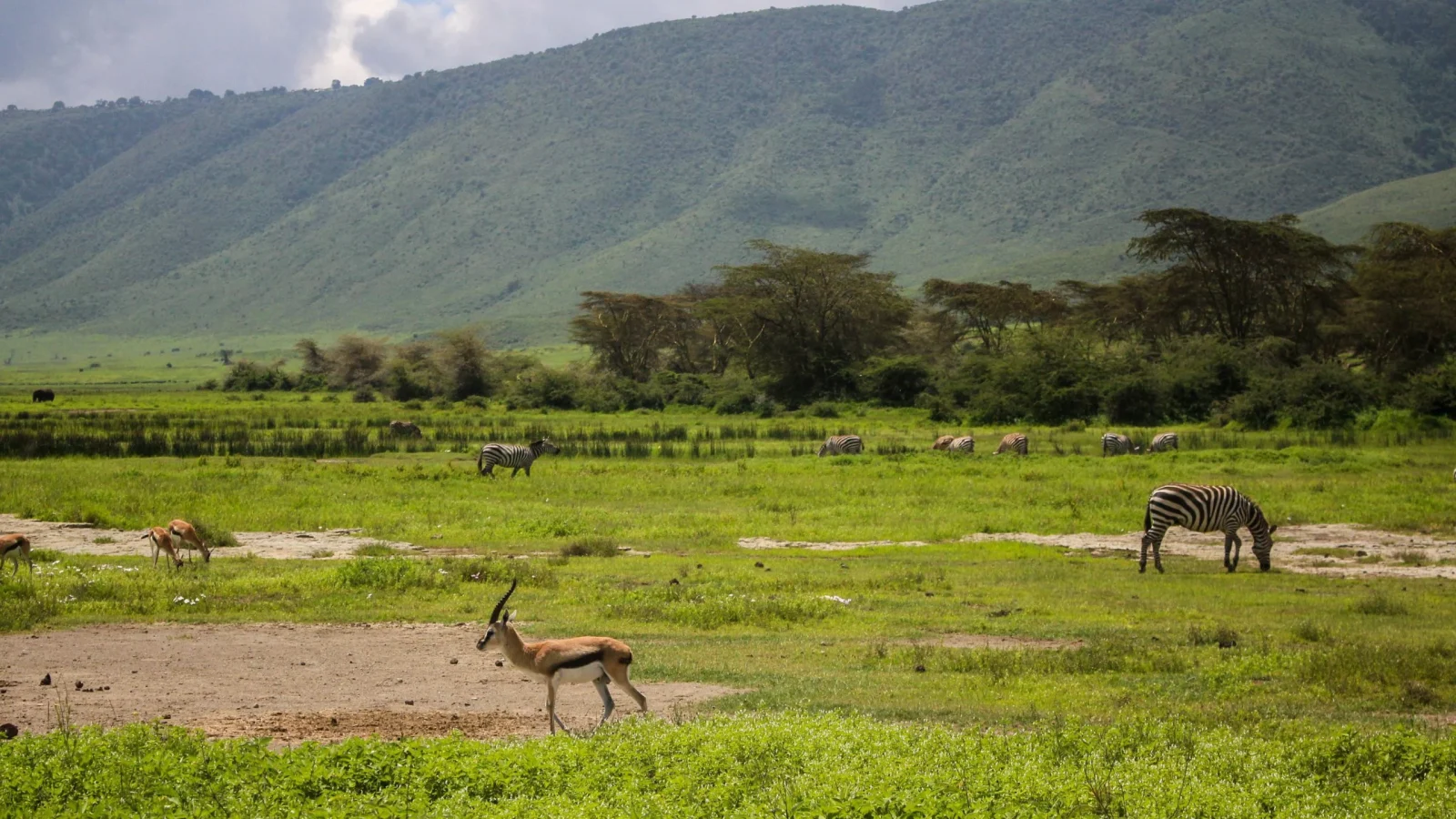
The first view of the Ngorongoro Crater stops people in their tracks. You drive up through misty highland forest, reach the rim, and suddenly the ground falls away: below you lies a vast, green bowl, ringed by steep walls, with a lake shining on its floor and dark specks that turn out to be buffalo, zebra and elephants. Then you realise you are going down into it.
This guide covers everything you need to know about visiting the Ngorongoro Crater — what it is, what you will see, and how to fit it into a safari.
What Is the Ngorongoro Crater?
The Ngorongoro Crater is a volcanic caldera in northern Tanzania, formed when a huge volcano collapsed in on itself millions of years ago. It is often described as the largest unbroken, unflooded caldera in the world. The crater floor covers roughly 260 square kilometres, enclosed by walls around 600 metres high.
The crater sits within the much larger Ngorongoro Conservation Area, a UNESCO World Heritage Site where wildlife shares the land with Maasai pastoralists — one of the few places in Africa where people and wildlife are managed together on this scale.
The Wildlife on the Crater Floor
The crater walls create a natural sanctuary, and its floor holds one of the densest concentrations of large mammals in Africa:
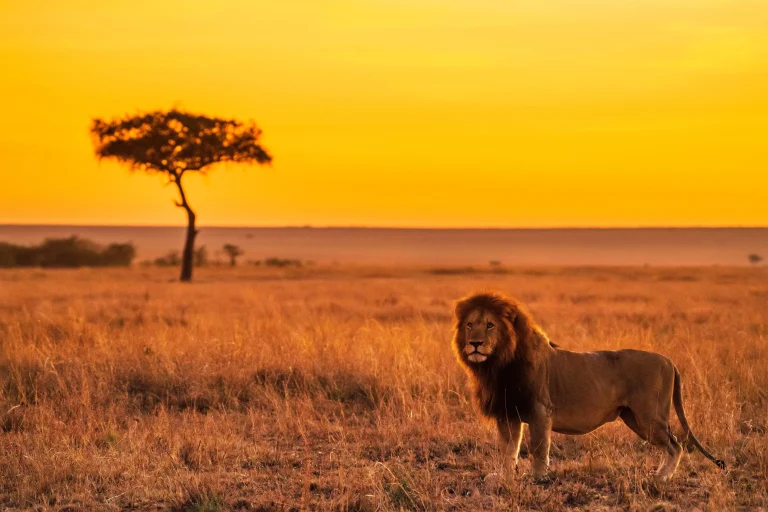
- Lions — the crater is one of the most reliable places in Tanzania to see them.
- Black rhino — a small, protected population, one of the best chances to see this rare animal in Tanzania.
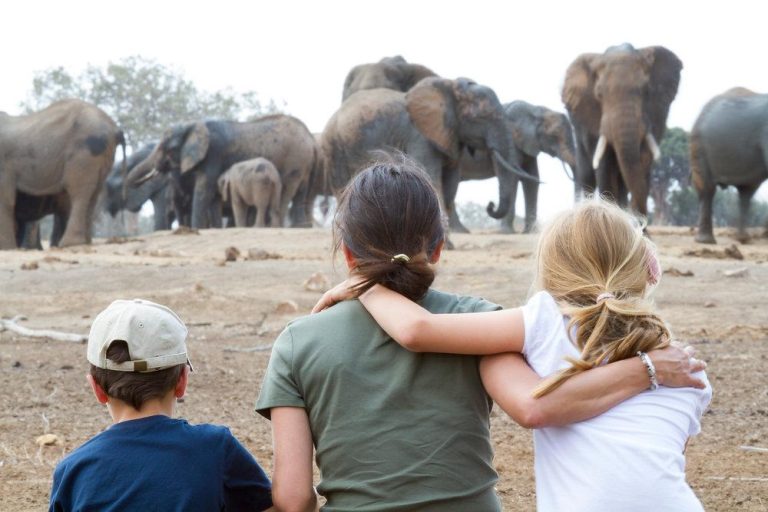
- Elephants — often big old bulls, wandering the swamps and forest.
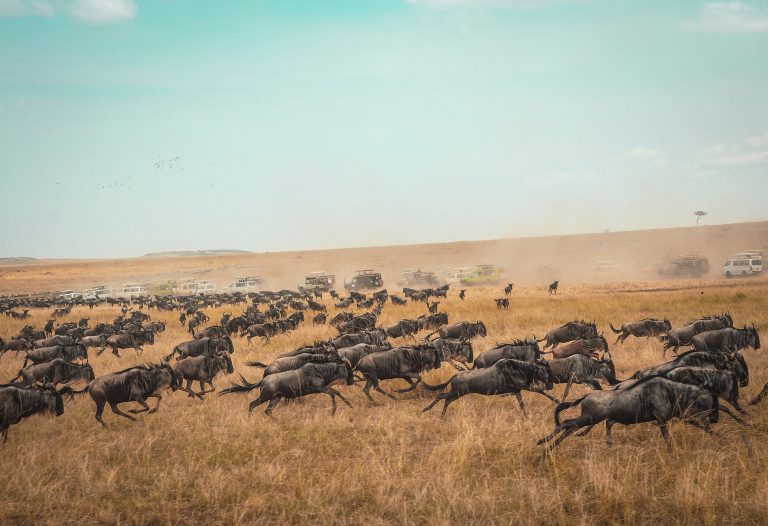
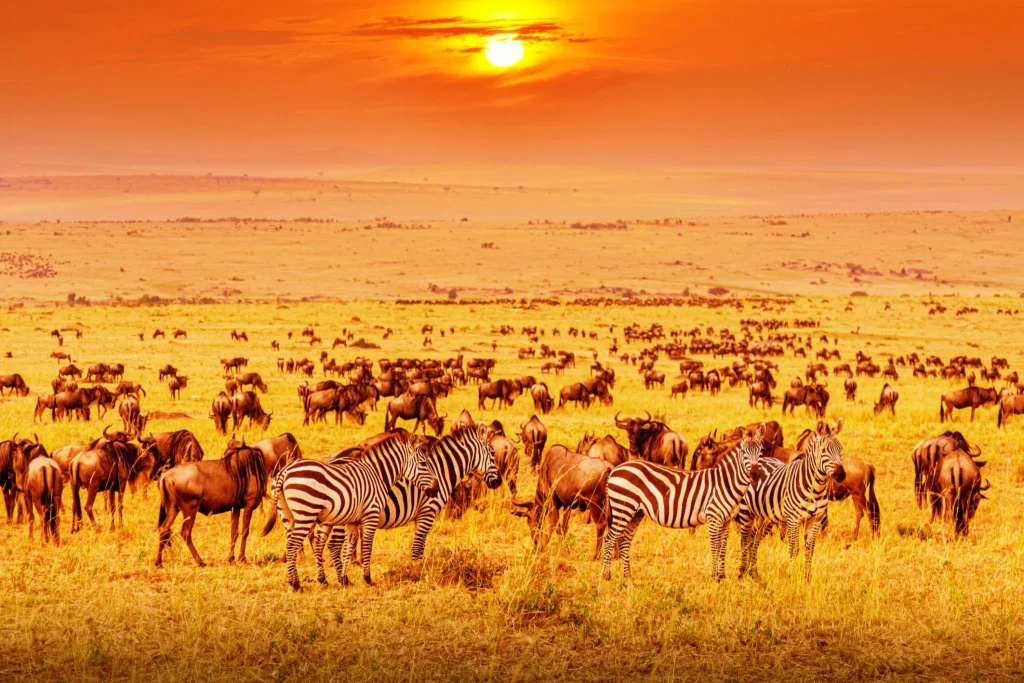
- Buffalo, wildebeest, zebra, gazelles and hippos — in large numbers on the grassland and around the water.
- Hyenas, jackals and flamingos on the soda lake when conditions are right.
One animal you will not see on the crater floor is the giraffe — the steep walls keep them out.
What a Crater Day Looks Like
On our itineraries, the crater day starts early. You descend to the floor in your safari vehicle, spend the day exploring with a packed lunch — often by a hippo pool or picnic site — and climb back up to the rim in the afternoon. Time on the crater floor is limited by park rules, so an early start makes the most of it, and the morning light is the best for photographs.
Combining Ngorongoro with the Serengeti
Ngorongoro sits on the road between Arusha and the Serengeti, so the two are almost always visited together:
- Short trip: our 3-Day Ngorongoro & Serengeti Camping safari is a compact way to see both.
- The full journey: our 10 Days Kenya Tanzania Combine travels from the Masai Mara, Lake Nakuru and Amboseli across the border to Lake Manyara and the Serengeti, with a full day in the Ngorongoro Crater before finishing in Arusha.
Tips for Your Visit
- Pack warm clothes. The crater rim is high, and nights and early mornings are surprisingly cold — bring a fleece or jacket.
- Bring binoculars. The crater floor is open and wide; binoculars bring distant rhinos and lions much closer.
- Protect your camera from dust. The crater floor can be dusty in the dry season.
- Be ready for an early start. It is worth it for the light, the wildlife and your time on the floor.
Plan Your Ngorongoro Safari
Every safari we run is tailor-made. Tell us your travel dates and group size, and we will prepare a free quote for a Ngorongoro and Serengeti safari or a full Kenya and Tanzania journey — prices are on request.

Comments
No comments yet. Be the first to share your experience.
Leave a Comment
Your comment will appear after it has been reviewed by our team.