



It is one of the first questions every first-time visitor asks — and one of the most important ones to answer honestly.
Kenya is safe for tourists. That is the short answer. Every year, hundreds of thousands of international visitors travel to Kenya for safaris, beach holidays, mountain treks, and cultural experiences — and the overwhelming majority return home with nothing but extraordinary memories.
But “safe” is not the same as “without risk.” No destination on earth is. Kenya, like any country, has areas and situations that require awareness, common sense, and good planning. The goal of this guide is not to alarm you or to dismiss your concerns — it is to give you a clear, honest, grounded picture of what safety in Kenya actually looks like for a tourist today.
Frequently Asked Questions About Safety in Kenya
Is Kenya safe to visit right now?
Yes, for the vast majority of tourist destinations and safari circuits, Kenya is safe to visit. The country has a well-established tourism infrastructure, experienced operators, and a hospitality industry that has been welcoming international visitors for decades.
Kenya’s primary tourist areas — the Maasai Mara, Amboseli, Samburu, Diani Beach, Lamu, and the Laikipia Plateau — have strong safety records and operate to high professional standards. Millions of visitors travel through these areas each year without incident.
As with any destination, it is worth checking your government’s current travel advisory before departure. The UK Foreign Commonwealth & Development Office (FCDO), the US State Department, and Australia’s Smartraveller all publish regularly updated Kenya advisories. Read them, note the specific areas flagged, and plan accordingly.
Is Nairobi safe for tourists?
Nairobi has a reputation that precedes it — not entirely undeserved, but significantly overstated for visitors who are sensible about where they go and when.
The neighbourhoods where tourists stay and spend time — Karen, Westlands, Gigiri, Kilimani, and the CBD business district — are reasonably safe, particularly during the day. Nairobi’s restaurant scene, shopping centres, and cultural attractions are visited by thousands of expats, business travellers, and tourists daily without issue.
Where the risk increases is in areas not on the tourist trail, particularly at night, on foot in unfamiliar neighbourhoods, or when displaying valuables openly. Petty crime — phone snatching, bag theft, opportunistic pickpocketing — is the most common issue tourists encounter, and it is largely avoidable with basic precautions.
Practical tips for Nairobi:
- Use reputable ride-hailing apps (Uber and Bolt operate widely in Nairobi) rather than unmarked taxis
- Avoid walking alone after dark in unfamiliar areas
- Keep phones and cameras out of sight in busy public areas
- Store valuables in your hotel safe
- Confirm your safari operator or hotel is sending a clearly identified vehicle and driver for airport transfers
- Most tourists spend only one or two nights in Nairobi before flying to their safari destinations — keep it brief and purposeful if the city makes you nervous
Is the Maasai Mara safe?
The Maasai Mara is one of the safest safari destinations in Africa. The reserve and the surrounding conservancies are managed professionally, well-patrolled, and have decades of experience hosting international visitors.
Your days in the Mara will be spent in the company of experienced guides, in and around your camp or lodge, and on game drives in a private 4WD vehicle. The rhythm of a safari day — early morning drive, breakfast, midday rest, afternoon drive, sundowner, dinner, bed — leaves very little exposure to risk of any kind.
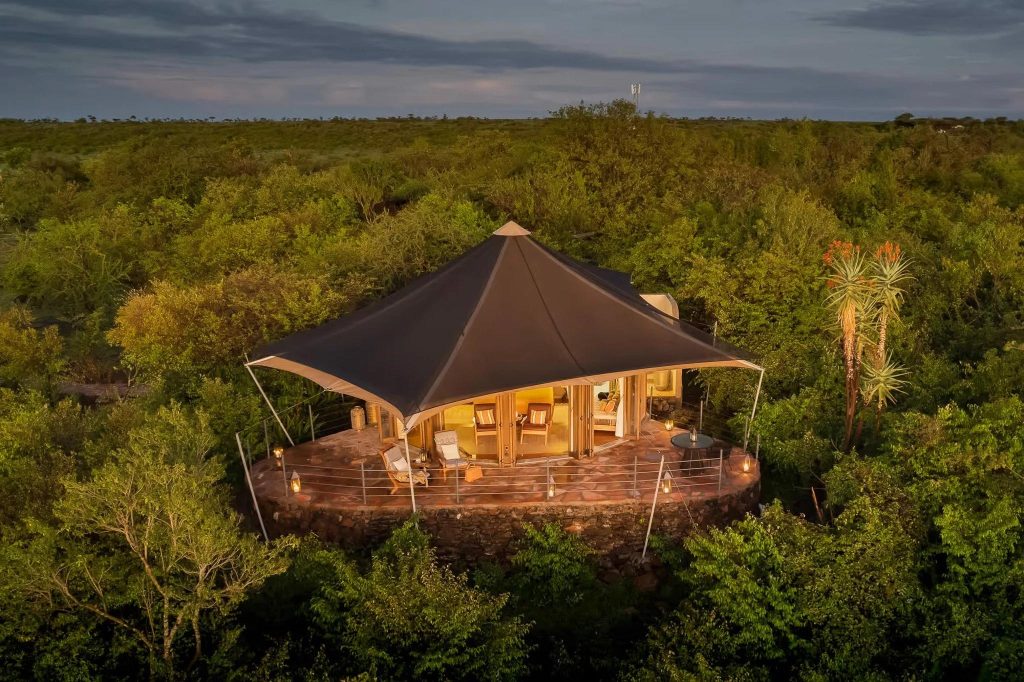
Camps and lodges in the Mara take security seriously. Most have fenced perimeters, askari (guards) on night duty, and strict protocols for guests moving between tents and communal areas after dark, particularly given the presence of wildlife inside and around camps.
The wildlife consideration: This is worth saying plainly. The animals in the Maasai Mara are wild. They are not dangerous in the Hollywood sense — unprovoked attacks on safari vehicles are extraordinarily rare — but they deserve respect. Always follow your guide’s instructions. Do not lean out of vehicle windows near predators. Do not walk outside camp boundaries unescorted. These are not dramatic warnings; they are the same common sense you would apply in any wild environment.
Are there areas of Kenya to avoid?
Yes, and it is important to name them clearly.
The Kenya–Somalia border region (northeastern Kenya): The area near the Somali border, including parts of Garissa and Mandera counties, carries genuine security risks related to cross-border incursions. This region is not on any standard tourist itinerary, and visitors have no reason to travel there.
The Kenya–South Sudan and Kenya–Ethiopia border areas: Remote border regions in the north carry risks from banditry and instability in neighbouring countries. Again, these are not tourist areas.
Coastal areas near the Somali maritime border: Parts of the far northern Kenyan coast have historically had elevated risk. Lamu — while worth visiting — requires awareness and should be visited with a reputable local operator who knows the current situation on the ground.
Low-income urban areas in Nairobi and Mombasa at night: As noted above, not because of political or security threats but because of elevated petty crime risk.
Areas under active government travel advisories: Check your national government’s current advisory map for Kenya before departure. The advisories are specific — they name districts and border regions rather than painting the whole country with the same brush. Read them carefully.
The key point: Kenya’s main safari circuits — the Mara, Amboseli, Tsavo, Samburu, Laikipia, Lake Nakuru, and the southern coast — are not in or near any of these areas. Standard tourist Kenya and risk-elevated Kenya are geographically separate.
What about terrorism risk in Kenya?
Kenya has experienced terrorist incidents in the past, including the 2013 Westgate Mall attack and the 2019 DusitD2 Hotel attack in Nairobi, both carried out by Al-Shabaab, the Somalia-based militant group. These incidents are part of Kenya’s security history and should not be dismissed.
However, context matters. Kenya’s security forces have significantly strengthened their counter-terrorism capacity since 2013. Nairobi’s major hotels, malls, and public venues employ visible security measures — bag scanning, vehicle checks, armed security personnel. These measures are routine and do not dominate the visitor experience; they are simply present.
The risk of being caught in a terrorist incident as a tourist in Kenya is very low — comparable to the risk level in many major European cities that receive no such warnings. The tourism infrastructure is designed to minimise exposure. Your time on safari — in the bush, at your lodge, on game drives — is entirely removed from any such risk environment.
Stay informed, avoid large crowded events if there is any elevated advisory in place, and follow the advice of your tour operator, who is monitoring the situation on the ground continuously.
Is Kenya safe for solo travellers?
Yes, with appropriate precautions. Kenya is visited by a significant number of solo travellers each year, including solo women. The safari circuit is particularly well-suited to solo travel because you are never truly alone — you are hosted by your camp, guided by an expert, and surrounded by the infrastructure of a professional operation.
For solo women travellers specifically: The vast majority of solo female safari travellers have positive experiences in Kenya. The safari environment is structured and supported, and guide-to-guest relationships in reputable camps are professional and respectful. Standard urban precautions apply in Nairobi — travel by app-based taxi, avoid walking alone at night, dress modestly in Muslim-majority areas like Lamu.
Some solo travellers find that joining a small group safari reduces both cost and any sense of vulnerability during their Nairobi time. Others prefer the full private experience. Both work well.
Is Kenya safe for families with children?
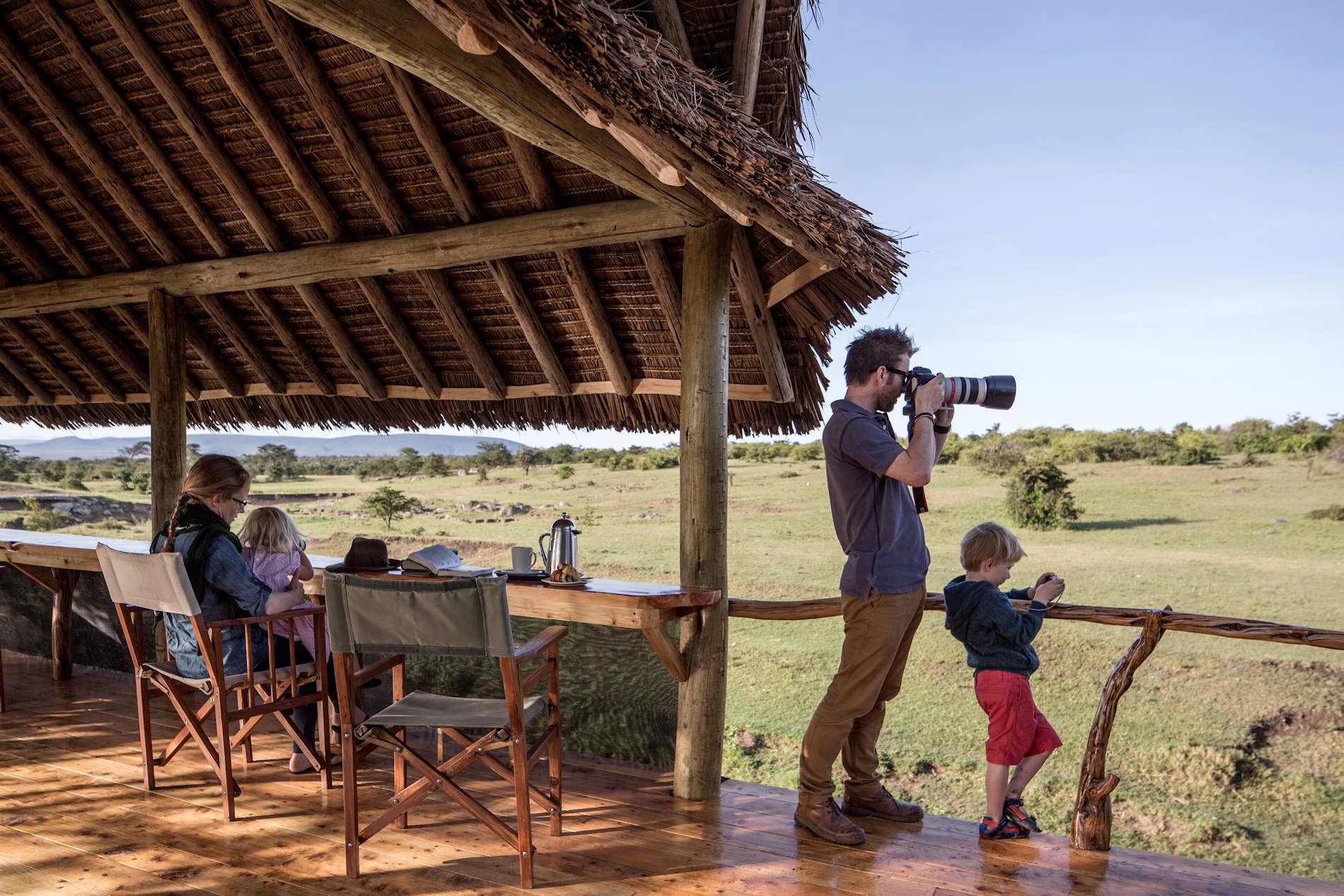
Kenya is an outstanding family destination, and many of our most enthusiastic returning clients are families. Children who experience a Kenya safari — watching lion cubs play, elephants crossing a road at sunrise, a cheetah scanning the plains from a termite mound — are marked by it for life.
Families should look for child-friendly lodges and camps that offer age-appropriate game drives, bush education programmes, and proper child safety protocols. Many lodges welcome children from age 5 or 6 upward; a smaller number accommodate younger children with the right supervision.
Health precautions are particularly important for children: malaria prophylaxis, sun protection, and ensuring children are drinking enough water in the heat. Work with your doctor well in advance of travel.
What health precautions do I need for Kenya?
This is a safety question as much as a health question, so it belongs here.
Malaria: Kenya is a malaria zone. Consult your doctor or a travel medicine clinic 6–8 weeks before departure. Antimalarial medication (most commonly atovaquone/proguanil, doxycycline, or mefloquine) is recommended for all visitors. Use insect repellent, wear long sleeves and trousers at dawn and dusk, and ensure your accommodation uses mosquito nets or has adequate screening.
Yellow Fever: A Yellow Fever vaccination certificate is required if you are arriving from or transiting through a yellow fever endemic country. Check the current requirements for your specific routing.
Food and water: Drink bottled or filtered water at all times. Reputable lodges and camps provide safe drinking water as standard. Avoid ice from unknown sources and be cautious with street food in urban areas.
Altitude: If your itinerary includes Mount Kenya or high-altitude areas in the Aberdares, allow proper acclimatisation time.
Travel insurance with medical evacuation cover: This is non-negotiable. Remote safari locations require air evacuation in a medical emergency. AMREF (Flying Doctors) operates across Kenya and provides emergency evacuation services — some operators include temporary AMREF membership in their packages, or you can purchase it separately for approximately $25 for a two-week period. Make sure your travel insurance also covers emergency medical evacuation to a higher-standard facility.
Do I need vaccinations to visit Kenya?
The following vaccinations are commonly recommended for Kenya. Confirm with your doctor or travel health clinic:
- Yellow Fever — required if transiting through endemic countries; generally recommended for Kenya
- Typhoid — recommended
- Hepatitis A and B — recommended
- Tetanus/Diphtheria/Polio — ensure you are up to date
- Rabies — recommended for extended stays or those likely to be in contact with animals
- Meningococcal Meningitis — recommended, particularly for travel to northern regions
Start this process at least 6–8 weeks before departure to allow adequate time for multi-dose vaccines.
Is it safe to drive in Kenya?
Road safety is one of the more genuine risks for visitors who are self-driving. Kenya’s highway fatality rate is high by international standards, and driving after dark on unfamiliar roads carries real risk. For most safari visitors, this is not an issue — you fly between destinations or travel with a professional driver.
If you are renting a vehicle for a self-drive safari (common in Amboseli and Tsavo), drive only in daylight, stick to well-maintained routes, and carry a spare tyre and adequate fuel. The Nairobi–Mombasa highway (A109) is the country’s busiest road — it is driveable but demands attention, especially around Mtito Andei and the escarpment sections.
For urban travel in Nairobi, always use Uber or Bolt. Agree on fares with unmarked taxis before entering the vehicle if you use them.
What do experienced safari operators say about safety in Kenya?
They say what we have said here: Kenya is safe for tourists who plan carefully, use reputable operators, follow local advice, and apply the same common sense they would use in any unfamiliar city or wild environment.
They also say this: the vast majority of things that go wrong on Kenya safaris are not security incidents. They are missed flights, forgotten medication, underestimating distances, or itineraries that tried to do too much in too little time. Good planning — with an operator who knows the country in depth — removes almost all of these risks entirely.
The Bottom Line
Kenya is safe for tourists. It is visited by hundreds of thousands of international travellers each year who return home having witnessed some of the greatest wildlife spectacles on earth, been hosted with remarkable warmth, and experienced a country that earns its place among the world’s finest travel destinations.
No destination is without risk. Kenya asks you to be informed, not fearful. To know which areas to avoid and which ones to embrace fully. To travel with professionals who know their country and take your experience seriously.
That is what we do at Pride of Africa Adventures & Safaris. Every itinerary we build is planned with safety, logistics, and deep local knowledge at its foundation — so that when you are sitting in that open 4WD, watching a lioness lead her cubs through the golden grass of the Mara, safety is the furthest thing from your mind.
Because by then, you will simply be present. And that is exactly where you should be.
Plan Your Kenya Safari With Confidence
Our team is based in East Africa. We know this country, its seasons, its roads, its camps, and its communities. If you have specific safety questions about a destination or itinerary you are considering, contact us directly — we will give you a straight answer.
| *Travel advisories change. Always verify current conditions with your national government’s travel advisory service before departure — UK: gov.uk/foreign-travel-advice/kenya | US: travel.state.gov | Australia: smartraveller.gov.au* |
|---|
Written by the Pride of Africa Adventures & Safaris travel team. We are based in East Africa and operate Kenya safaris year-round.
Request a Free Kenya Safari Quote
Browse Our Kenya Safari Packages
Speak to a Safari Specialist

Comments
No comments yet. Be the first to share your experience.
Leave a Comment
Your comment will appear after it has been reviewed by our team.