Tag: Africa Travel

  • Is Kenya Safe for Tourists? Everything You Need to Know

    Is Kenya Safe for Tourists? Everything You Need to Know

    It is one of the first questions every first-time visitor asks — and one of the most important ones to answer honestly.

    Kenya is safe for tourists. That is the short answer. Every year, hundreds of thousands of international visitors travel to Kenya for safaris, beach holidays, mountain treks, and cultural experiences — and the overwhelming majority return home with nothing but extraordinary memories.

    But “safe” is not the same as “without risk.” No destination on earth is. Kenya, like any country, has areas and situations that require awareness, common sense, and good planning. The goal of this guide is not to alarm you or to dismiss your concerns — it is to give you a clear, honest, grounded picture of what safety in Kenya actually looks like for a tourist today.

    Frequently Asked Questions About Safety in Kenya

    Is Kenya safe to visit right now?

    Yes, for the vast majority of tourist destinations and safari circuits, Kenya is safe to visit. The country has a well-established tourism infrastructure, experienced operators, and a hospitality industry that has been welcoming international visitors for decades.

    Kenya’s primary tourist areas — the Maasai Mara, Amboseli, Samburu, Diani Beach, Lamu, and the Laikipia Plateau — have strong safety records and operate to high professional standards. Millions of visitors travel through these areas each year without incident.

    As with any destination, it is worth checking your government’s current travel advisory before departure. The UK Foreign Commonwealth & Development Office (FCDO), the US State Department, and Australia’s Smartraveller all publish regularly updated Kenya advisories. Read them, note the specific areas flagged, and plan accordingly.

    Is Nairobi safe for tourists?

    Nairobi has a reputation that precedes it — not entirely undeserved, but significantly overstated for visitors who are sensible about where they go and when.

    The neighbourhoods where tourists stay and spend time — Karen, Westlands, Gigiri, Kilimani, and the CBD business district — are reasonably safe, particularly during the day. Nairobi’s restaurant scene, shopping centres, and cultural attractions are visited by thousands of expats, business travellers, and tourists daily without issue.

    Where the risk increases is in areas not on the tourist trail, particularly at night, on foot in unfamiliar neighbourhoods, or when displaying valuables openly. Petty crime — phone snatching, bag theft, opportunistic pickpocketing — is the most common issue tourists encounter, and it is largely avoidable with basic precautions.

    Practical tips for Nairobi:

    • Use reputable ride-hailing apps (Uber and Bolt operate widely in Nairobi) rather than unmarked taxis
    • Avoid walking alone after dark in unfamiliar areas
    • Keep phones and cameras out of sight in busy public areas
    • Store valuables in your hotel safe
    • Confirm your safari operator or hotel is sending a clearly identified vehicle and driver for airport transfers
    • Most tourists spend only one or two nights in Nairobi before flying to their safari destinations — keep it brief and purposeful if the city makes you nervous

    Is the Maasai Mara safe?

    The Maasai Mara is one of the safest safari destinations in Africa. The reserve and the surrounding conservancies are managed professionally, well-patrolled, and have decades of experience hosting international visitors.

    Your days in the Mara will be spent in the company of experienced guides, in and around your camp or lodge, and on game drives in a private 4WD vehicle. The rhythm of a safari day — early morning drive, breakfast, midday rest, afternoon drive, sundowner, dinner, bed — leaves very little exposure to risk of any kind.

    Camps and lodges in the Mara take security seriously. Most have fenced perimeters, askari (guards) on night duty, and strict protocols for guests moving between tents and communal areas after dark, particularly given the presence of wildlife inside and around camps.

    The wildlife consideration: This is worth saying plainly. The animals in the Maasai Mara are wild. They are not dangerous in the Hollywood sense — unprovoked attacks on safari vehicles are extraordinarily rare — but they deserve respect. Always follow your guide’s instructions. Do not lean out of vehicle windows near predators. Do not walk outside camp boundaries unescorted. These are not dramatic warnings; they are the same common sense you would apply in any wild environment.

    Are there areas of Kenya to avoid?

    Yes, and it is important to name them clearly.

    The Kenya–Somalia border region (northeastern Kenya): The area near the Somali border, including parts of Garissa and Mandera counties, carries genuine security risks related to cross-border incursions. This region is not on any standard tourist itinerary, and visitors have no reason to travel there.

    The Kenya–South Sudan and Kenya–Ethiopia border areas: Remote border regions in the north carry risks from banditry and instability in neighbouring countries. Again, these are not tourist areas.

    Coastal areas near the Somali maritime border: Parts of the far northern Kenyan coast have historically had elevated risk. Lamu — while worth visiting — requires awareness and should be visited with a reputable local operator who knows the current situation on the ground.

    Low-income urban areas in Nairobi and Mombasa at night: As noted above, not because of political or security threats but because of elevated petty crime risk.

    Areas under active government travel advisories: Check your national government’s current advisory map for Kenya before departure. The advisories are specific — they name districts and border regions rather than painting the whole country with the same brush. Read them carefully.

    The key point: Kenya’s main safari circuits — the Mara, Amboseli, Tsavo, Samburu, Laikipia, Lake Nakuru, and the southern coast — are not in or near any of these areas. Standard tourist Kenya and risk-elevated Kenya are geographically separate.

    What about terrorism risk in Kenya?

    Kenya has experienced terrorist incidents in the past, including the 2013 Westgate Mall attack and the 2019 DusitD2 Hotel attack in Nairobi, both carried out by Al-Shabaab, the Somalia-based militant group. These incidents are part of Kenya’s security history and should not be dismissed.

    However, context matters. Kenya’s security forces have significantly strengthened their counter-terrorism capacity since 2013. Nairobi’s major hotels, malls, and public venues employ visible security measures — bag scanning, vehicle checks, armed security personnel. These measures are routine and do not dominate the visitor experience; they are simply present.

    The risk of being caught in a terrorist incident as a tourist in Kenya is very low — comparable to the risk level in many major European cities that receive no such warnings. The tourism infrastructure is designed to minimise exposure. Your time on safari — in the bush, at your lodge, on game drives — is entirely removed from any such risk environment.

    Stay informed, avoid large crowded events if there is any elevated advisory in place, and follow the advice of your tour operator, who is monitoring the situation on the ground continuously.

    Is Kenya safe for solo travellers?

    Yes, with appropriate precautions. Kenya is visited by a significant number of solo travellers each year, including solo women. The safari circuit is particularly well-suited to solo travel because you are never truly alone — you are hosted by your camp, guided by an expert, and surrounded by the infrastructure of a professional operation.

    For solo women travellers specifically: The vast majority of solo female safari travellers have positive experiences in Kenya. The safari environment is structured and supported, and guide-to-guest relationships in reputable camps are professional and respectful. Standard urban precautions apply in Nairobi — travel by app-based taxi, avoid walking alone at night, dress modestly in Muslim-majority areas like Lamu.

    Some solo travellers find that joining a small group safari reduces both cost and any sense of vulnerability during their Nairobi time. Others prefer the full private experience. Both work well.

    Is Kenya safe for families with children?

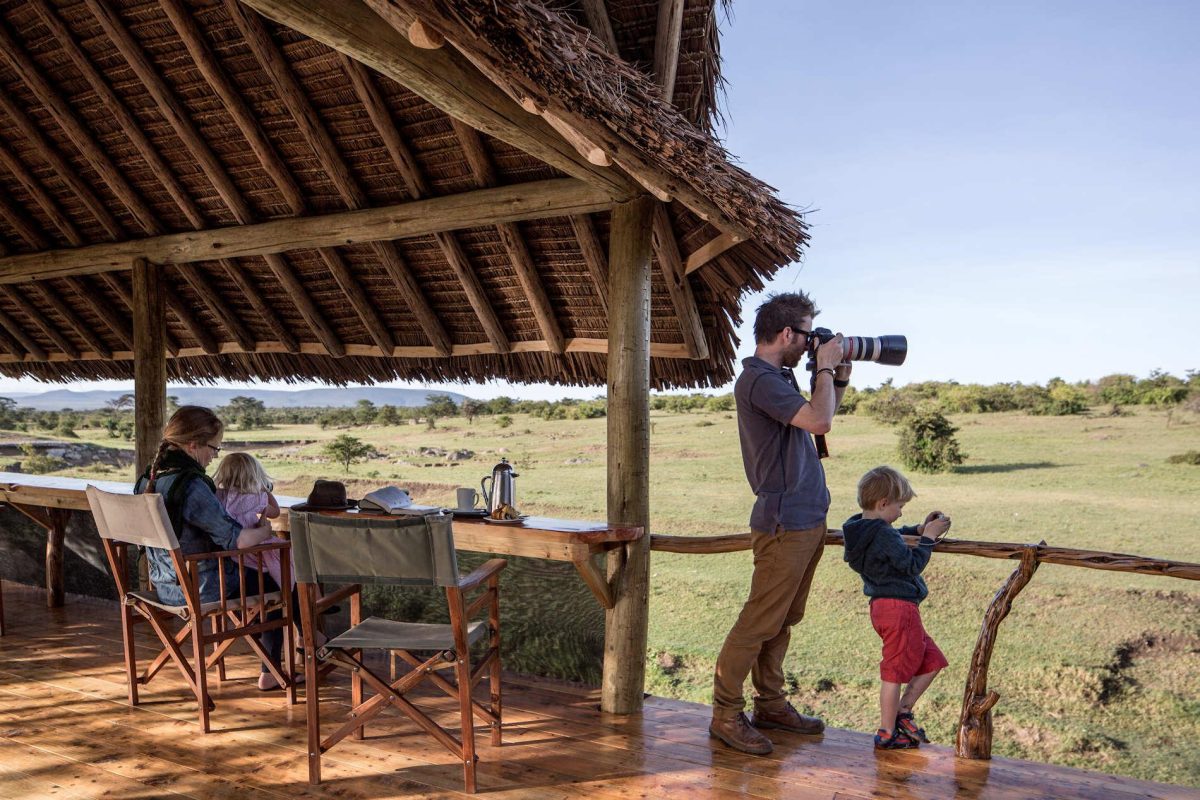
    Kenya is an outstanding family destination, and many of our most enthusiastic returning clients are families. Children who experience a Kenya safari — watching lion cubs play, elephants crossing a road at sunrise, a cheetah scanning the plains from a termite mound — are marked by it for life.

    Families should look for child-friendly lodges and camps that offer age-appropriate game drives, bush education programmes, and proper child safety protocols. Many lodges welcome children from age 5 or 6 upward; a smaller number accommodate younger children with the right supervision.

    Health precautions are particularly important for children: malaria prophylaxis, sun protection, and ensuring children are drinking enough water in the heat. Work with your doctor well in advance of travel.

    What health precautions do I need for Kenya?

    This is a safety question as much as a health question, so it belongs here.

    Malaria: Kenya is a malaria zone. Consult your doctor or a travel medicine clinic 6–8 weeks before departure. Antimalarial medication (most commonly atovaquone/proguanil, doxycycline, or mefloquine) is recommended for all visitors. Use insect repellent, wear long sleeves and trousers at dawn and dusk, and ensure your accommodation uses mosquito nets or has adequate screening.

    Yellow Fever: A Yellow Fever vaccination certificate is required if you are arriving from or transiting through a yellow fever endemic country. Check the current requirements for your specific routing.

    Food and water: Drink bottled or filtered water at all times. Reputable lodges and camps provide safe drinking water as standard. Avoid ice from unknown sources and be cautious with street food in urban areas.

    Altitude: If your itinerary includes Mount Kenya or high-altitude areas in the Aberdares, allow proper acclimatisation time.

    Travel insurance with medical evacuation cover: This is non-negotiable. Remote safari locations require air evacuation in a medical emergency. AMREF (Flying Doctors) operates across Kenya and provides emergency evacuation services — some operators include temporary AMREF membership in their packages, or you can purchase it separately for approximately $25 for a two-week period. Make sure your travel insurance also covers emergency medical evacuation to a higher-standard facility.

    Do I need vaccinations to visit Kenya?

    The following vaccinations are commonly recommended for Kenya. Confirm with your doctor or travel health clinic:

    • Yellow Fever — required if transiting through endemic countries; generally recommended for Kenya
    • Typhoid — recommended
    • Hepatitis A and B — recommended
    • Tetanus/Diphtheria/Polio — ensure you are up to date
    • Rabies — recommended for extended stays or those likely to be in contact with animals
    • Meningococcal Meningitis — recommended, particularly for travel to northern regions

    Start this process at least 6–8 weeks before departure to allow adequate time for multi-dose vaccines.

    Is it safe to drive in Kenya?

    Road safety is one of the more genuine risks for visitors who are self-driving. Kenya’s highway fatality rate is high by international standards, and driving after dark on unfamiliar roads carries real risk. For most safari visitors, this is not an issue — you fly between destinations or travel with a professional driver.

    If you are renting a vehicle for a self-drive safari (common in Amboseli and Tsavo), drive only in daylight, stick to well-maintained routes, and carry a spare tyre and adequate fuel. The Nairobi–Mombasa highway (A109) is the country’s busiest road — it is driveable but demands attention, especially around Mtito Andei and the escarpment sections.

    For urban travel in Nairobi, always use Uber or Bolt. Agree on fares with unmarked taxis before entering the vehicle if you use them.

    What do experienced safari operators say about safety in Kenya?

    They say what we have said here: Kenya is safe for tourists who plan carefully, use reputable operators, follow local advice, and apply the same common sense they would use in any unfamiliar city or wild environment.

    They also say this: the vast majority of things that go wrong on Kenya safaris are not security incidents. They are missed flights, forgotten medication, underestimating distances, or itineraries that tried to do too much in too little time. Good planning — with an operator who knows the country in depth — removes almost all of these risks entirely.

    The Bottom Line

    Kenya is safe for tourists. It is visited by hundreds of thousands of international travellers each year who return home having witnessed some of the greatest wildlife spectacles on earth, been hosted with remarkable warmth, and experienced a country that earns its place among the world’s finest travel destinations.

    No destination is without risk. Kenya asks you to be informed, not fearful. To know which areas to avoid and which ones to embrace fully. To travel with professionals who know their country and take your experience seriously.

    That is what we do at Pride of Africa Adventures & Safaris. Every itinerary we build is planned with safety, logistics, and deep local knowledge at its foundation — so that when you are sitting in that open 4WD, watching a lioness lead her cubs through the golden grass of the Mara, safety is the furthest thing from your mind.

    Because by then, you will simply be present. And that is exactly where you should be.

    Plan Your Kenya Safari With Confidence

    Our team is based in East Africa. We know this country, its seasons, its roads, its camps, and its communities. If you have specific safety questions about a destination or itinerary you are considering, contact us directly — we will give you a straight answer.

    *Travel advisories change. Always verify current conditions with your national government’s travel advisory service before departure — UK: gov.uk/foreign-travel-advice/kenya US: travel.state.gov Australia: smartraveller.gov.au*

    Written by the Pride of Africa Adventures & Safaris travel team. We are based in East Africa and operate Kenya safaris year-round.

    Request a Free Kenya Safari Quote
    Browse Our Kenya Safari Packages
    Speak to a Safari Specialist
  • How Much Does a Kenya Safari Cost? A Complete Pricing Guide

    How Much Does a Kenya Safari Cost? A Complete Pricing Guide

    It is, without question, the most googled safari question in the world — and for good reason. A Kenya safari is a significant investment. You deserve a straight, honest answer rather than a vague “it depends” that leaves you more confused than when you started.

    So here it is: a Kenya safari costs anywhere from $150 per person per day at the budget end to $1,500–$3,000+ per person per day at the luxury end. Most travellers planning a quality, well-guided experience land somewhere between $400 and $900 per person per day, all-inclusive.

    But that range is only useful once you understand what drives it — and what each tier actually delivers. This guide breaks it all down so you can plan your safari with full clarity about where your money goes, what to prioritise, and where it’s safe to save.

    What Determines the Cost of a Kenya Safari?

    Before we get to numbers, it helps to understand the five factors that move the price in either direction.

    1. Accommodation tier — This is by far the biggest variable. The difference between a basic tented camp and a private luxury lodge can be $500+ per person per night. The type of property you choose sets the tone for everything else.

    2. Season — Peak season (July–October for the Great Migration, and January–March for calving) commands premium pricing. Green season (April–June, November) can be 20–35% cheaper, with added benefits: lush landscapes, fewer crowds, and excellent game viewing.

    3. Duration — A longer safari usually costs less per day once fixed costs (international flights, transfers, park fees) are spread over more nights.

    4. Exclusivity — Private conservancies surrounding the Maasai Mara charge higher daily rates but include activities (night drives, bush walks, game drives twice daily) that public reserves charge separately. When you add it all up, conservancies often represent stronger value.

    5. Group size — Solo travellers and couples typically pay a single or double supplement. Groups of four or more share vehicle costs, making each person’s share meaningfully lower.

    Safari Pricing by Tier

    Budget Safari: $150–$300 per person per day

    A budget Kenya safari is real, and for the right traveller, deeply rewarding. This tier typically involves:

    • Basic tented camps or guesthouses with shared facilities
    • Group game drives in shared vehicles (6–8 passengers)
    • Simple but wholesome meals included
    • Parks: commonly Amboseli, Tsavo East/West, Lake Nakuru, or Samburu
    • Self-drive options using a rented 4WD reduce costs significantly

    What to expect: Wildlife viewing can be outstanding — Kenya’s national parks do not discriminate by budget. What you give up is space, exclusivity, personalisation, and the polish of a curated experience. Shared vehicles sometimes mean waiting for others, rushed timing, and less flexibility for extended sightings.

    Best for: Solo backpackers, students, young travellers, those with flexible itineraries, repeat visitors who know what they want.

    5-day budget safari example:

    • 2 nights Nairobi guesthouse + 3 nights Maasai Mara basic camp
    • Shared 4WD game drives, full board
    • Approximate total: $750–$1,200 per person

    Mid-Range Safari: $300–$600 per person per day

    This is where the majority of first-time safari travellers land — and where Kenya genuinely delivers exceptional value. The mid-range tier offers:

    • Comfortable permanent tented camps or lodges with en-suite bathrooms
    • Private or semi-private game drives (2–4 passengers per vehicle)
    • Experienced guides with solid naturalist knowledge
    • Full board with most drinks included
    • Access to both national parks and some conservancy areas
    • Small group feel with a more personal touch

    What to expect: The step up from budget to mid-range is significant. You gain a private vehicle, a dedicated guide who learns what interests you, flexible timings for game drives, and accommodation that feels considered and comfortable. Evening game drives and sundowners begin to appear in this tier.

    Best for: First-time safari visitors, couples, small families, travellers who want quality without the luxury premium.

    7-day mid-range safari example:

    • Nairobi 1 night + Amboseli 2 nights + Maasai Mara 3 nights, comfortable camps
    • Private 4WD, full board, two game drives daily
    • Approximate total: $3,000–$5,500 per person

    Luxury Safari: $600–$1,500+ per person per day

    Kenya’s luxury safari market is world-class — and among the finest in Africa. This tier includes:

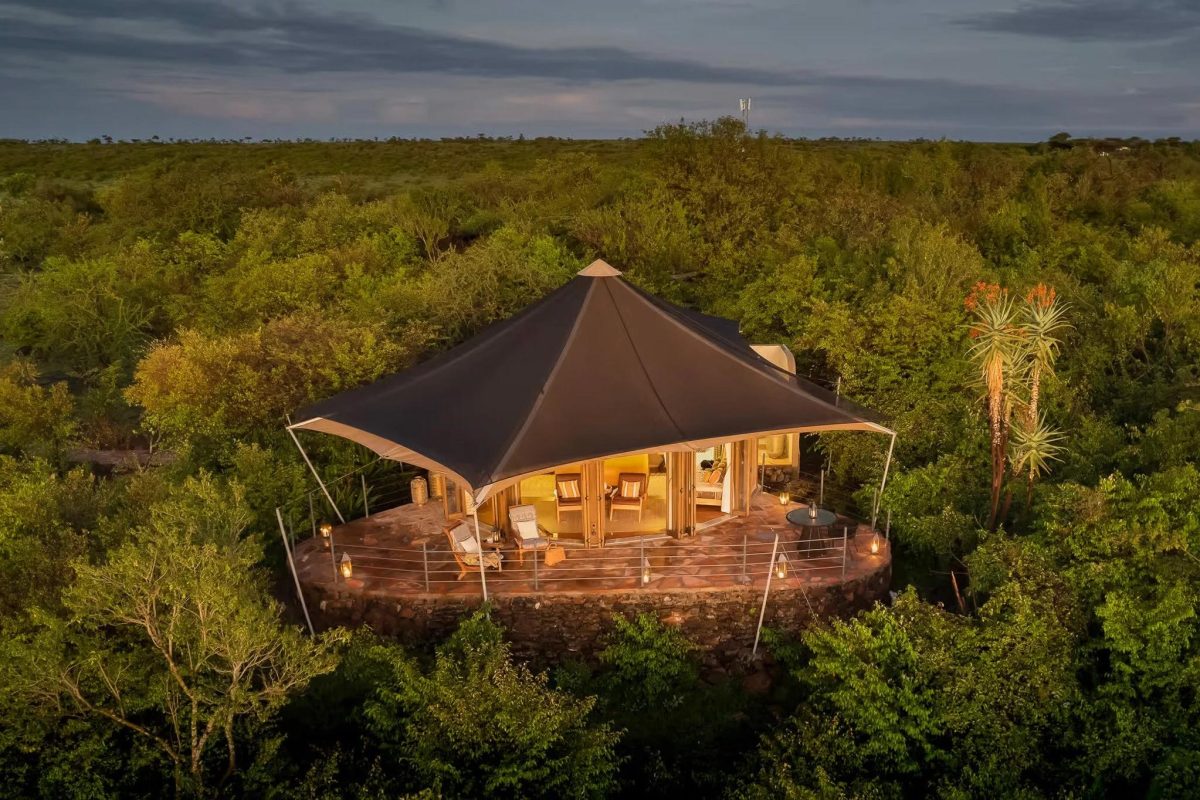
    • Intimate boutique camps with 6–12 tents maximum
    • Lavish en-suite tented suites with private decks, plunge pools, and open-air showers
    • All-inclusive rates covering accommodation, meals, drinks (including premium spirits), twice-daily game drives, bush walks, night drives, and sometimes cultural visits
    • Expert guides — often highly certified, multi-year specialists in their area
    • Private conservancy access with exclusive wildlife areas
    • Helicopter or fixed-wing charter transfers included at some properties
    • Private dining, spa treatments, personalised service

    What to expect: The luxury safari is fundamentally a different experience — not just in comfort but in depth. You have time. Your guide knows exactly which lion pride denned nearby and follows the cheetah coalition at your pace. The experience is unhurried, intimate, and genuinely transformative. The Maasai Mara conservancies — Naboisho, Olare Motorogi, Ol Kinyei, Mara North — are the heartland of Kenya’s luxury offering.

    Best for: Honeymooners, special occasion travel, families who want a seamless experience, photographers, those who want the absolute best of Kenya.

    7-day luxury safari example:

    • Nairobi 1 night (boutique hotel) + Laikipia 2 nights + Mara Conservancy 3 nights
    • All-inclusive, private guide and vehicle, night drives, walking safaris
    • Approximate total: $8,000–$18,000+ per person

    Ultra-Luxury / Private: $1,500–$3,000+ per person per day

    At the top of the market, Kenya offers exclusive-use camps, private conservancies, and bespoke itineraries where no detail is unconsidered. Think: exclusive-use of an entire camp for your group, private aircraft transfers between destinations, personalised menus, conservation-focused immersions, helicopter game viewing, and world-renowned guides. These experiences are benchmarked against the finest hospitality anywhere on earth — and many of them exceed it.

    Breaking Down the Key Costs

    Understanding the individual line items helps you plan and prioritise accurately.

    1. International Flights

    Getting to Nairobi (NBO) is your largest single fixed cost.

    • From Europe (London, Amsterdam, Paris): $700–$1,800 return per person
    • From USA/Canada (New York, LA, Toronto): $900–$2,200 return per person
    • From Asia (Dubai, Singapore, Mumbai): $600–$1,400 return per person
    • From Australia: $1,200–$2,500 return per person

    Booking 4–6 months ahead and travelling on weekdays typically yields the best fares. Emirates via Dubai and Kenya Airways direct from London are consistently competitive.

    2. Internal Charter Flights

    Flying from Nairobi to the Maasai Mara (45 minutes) versus driving (5–6 hours) is a choice most visitors are happy they made. Small charter aircraft operate between Wilson Airport, Nairobi, and numerous bush airstrips across the country.

    • Nairobi to Maasai Mara: $200–$280 per person one way
    • Nairobi to Amboseli: $160–$220 per person one way
    • Nairobi to Samburu: $220–$300 per person one way

    Some operators include internal flights in their packages; others quote them separately. Always confirm.

    3. Park Fees and Conservation Fees

    Kenya Wildlife Service (KWS) levies daily park fees for non-residents. These are built into most package quotes but worth understanding.

    • Maasai Mara National Reserve: ~$80–$100 per person per day (varies by county council; fees have increased in recent years)
    • Amboseli National Park: ~$60–$80 per person per day
    • Tsavo East/West: ~$52 per person per day
    • Lake Nakuru: ~$60 per person per day
    • Samburu National Reserve: ~$50 per person per day
    • Private Conservancy Fee (Maasai Mara): $80–$150 per person per day on top of reserve fees

    For a 7-night safari across two or three parks, park fees alone can add $600–$1,200 per person to the cost. This is normal and unavoidable — it funds conservation and community development directly.

    4. Accommodation

    Per person per night in shared double accommodation:

    Tier Per Person Per Night
    Budget camp / guesthouse $80–$200
    Mid-range tented camp / lodge $200–$450
    Luxury tented camp / lodge $450–$900
    Ultra-luxury / exclusive use $900–$2,500+

    Note that most reputable camps quote full board (all meals included), which represents genuine value compared to paying separately.

    5. Visas and Travel Documentation

    • Kenya e-Visa (ETA): $30 per person (most nationalities; apply online at etakenya.go.ke)
    • Yellow Fever Certificate: Required if arriving from or transiting through a yellow fever endemic country; the vaccine itself costs $80–$150 depending on location
    • Travel Insurance: $80–$250 per person for a 2-week trip depending on cover level — strongly recommended, and non-negotiable for responsible safari planning

    6. Tips and Gratuities

    Tipping is customary and meaningful in Kenya’s safari industry. Standard guidelines:

    • Safari guide: $15–$25 per person per day
    • Camp/lodge staff: $10–$15 per person per day (often via a communal tip box)
    • Tracker: $5–$10 per person per day where applicable
    • Airport or hotel porter: $2–$5 per service

    Budget approximately $25–$40 per person per day for tipping across a full safari. Many guests set aside a tip envelope at the start of each stay and add to it daily.

    7. Personal Extras

    • Curio purchases and craft markets
    • Spa treatments (where offered)
    • Premium drinks and bar tabs beyond included beverages
    • Additional activities not in the package (hot air balloon, Maasai village visit)
    • Travel to/from your home airport

    Hot air balloon safari over the Maasai Mara: approximately $500–$600 per person, typically including a champagne breakfast on landing — one of the most spectacular experiences Kenya offers, and worth every cent for the right traveller. See our Balloon Safari Cost Guide for the full breakdown.

    Real Safari Budgets: Three Itinerary Examples

    The 5-Day Mara Escape (Mid-Range Couple)

    • Return flights London–Nairobi: $1,200 per person
    • Charter Nairobi–Mara–Nairobi: $500 per person
    • 1 night Nairobi boutique hotel: $180 per person
    • 3 nights mid-range Maasai Mara camp (full board): $1,050 per person
    • Park and conservancy fees: $480 per person
    • Visa + insurance: $120 per person
    • Tips + extras: $200 per person
    • Estimated total per person: ~$3,730
    • Couple total: ~$7,460

    The 10-Day Kenya Classic (Mid-Range Family of 4)

    • Return flights Amsterdam–Nairobi: $900 per person
    • Internal charter flights: $550 per person
    • 1 night Nairobi + 3 nights Amboseli + 2 nights Samburu + 3 nights Maasai Mara
    • Accommodation (full board, mid-range): $3,200 per person
    • Park fees: $800 per person
    • Visa + insurance: $130 per person
    • Tips + extras: $350 per person
    • Estimated total per person: ~$5,930
    • Family of 4 total: ~$23,720

    The 8-Day Honeymoon (Luxury Couple)

    • Return flights Dubai–Nairobi (Business): $2,800 per person
    • Private charter Nairobi–Laikipia–Mara conservancy–Nairobi: $900 per person
    • 1 night Nairobi luxury hotel: $350 per person
    • 3 nights Laikipia private conservancy (all-inclusive): $2,100 per person
    • 3 nights Mara conservancy camp (all-inclusive): $2,700 per person
    • Park + conservancy fees (included in rates): $0
    • Visa + insurance: $150 per person
    • Hot air balloon: $580 per person
    • Tips + extras: $400 per person
    • Estimated total per person: ~$9,980
    • Couple total: ~$19,960

    Where to Save — and Where Not To

    Safe to save:

    • Season: Green season offers 20–35% savings with genuinely excellent game viewing. April–June and November are our recommended shoulder windows.
    • Destination mix: Combining a luxury Maasai Mara stay with a more affordable park like Tsavo or Amboseli keeps the overall cost down without compromising the headline experience.
    • Nairobi nights: One or two nights in Nairobi are logistically necessary; save on these and spend on your bush time.
    • Economy flights: Unless flying Business is a priority for you, economy on a 8–10 hour flight is entirely manageable with the right airline.

    Do not save on:

    • Your guide: The quality of your guide determines the quality of your safari more than any other single factor. A skilled, experienced, deeply knowledgeable guide transforms a game drive into something you will describe for years. This is not where to cut corners.
    • Travel insurance: Comprehensive cover is essential — emergency medical evacuation from remote bush locations can cost $30,000–$80,000+ without it.
    • The migration timing: If the wildebeest crossing is your dream, travel in July–October. Going in the wrong season to save money is the most expensive mistake you can make — you cannot get that trip back.
    • Your first safari: If this is your first time in Africa, invest in a quality experience. The people who feel their safari was average almost always cut the wrong budget.

    Is a Kenya Safari Worth the Cost?

    We are biased, admittedly. But we are also experienced enough to know that nearly every client who has returned from a well-planned Kenya safari answers this question the same way: without hesitation.

    There is something that happens when you watch a leopard carry a kill into an acacia at dusk, or when a herd of a thousand wildebeest crashes through the Mara River twenty metres from your vehicle. It does not translate into words, and it does not compare with any other kind of travel.

    A Kenya safari, planned thoughtfully and timed well, is not a holiday. It is an experience that recalibrates you. Most people who come once start planning their return before they board their flight home.

    That, ultimately, is the answer.

    Let Us Build Your Safari

    At Pride of Africa Adventures & Safaris, we plan Kenya safaris across all tiers — from carefully crafted mid-range itineraries that deliver remarkable value to fully bespoke luxury journeys built around your exact vision.

    Tell us when you want to travel, how many in your group, and what matters most to you. We will send you a tailored itinerary and honest pricing within 24 hours — no obligation, no pressure.

    Prices quoted in USD. Rates are indicative and subject to exchange rates, seasonality, and availability at time of booking. Park fees are set by Kenya Wildlife Service and county authorities and may be revised. All Pride of Africa packages are quoted individually based on your travel dates and group size.

    Written by the Pride of Africa Adventures & Safaris travel team — Kenya safari specialists.

    Request a Free Kenya Safari Quote
    Browse Our Kenya Safari Packages
    Talk to a Safari Specialist