



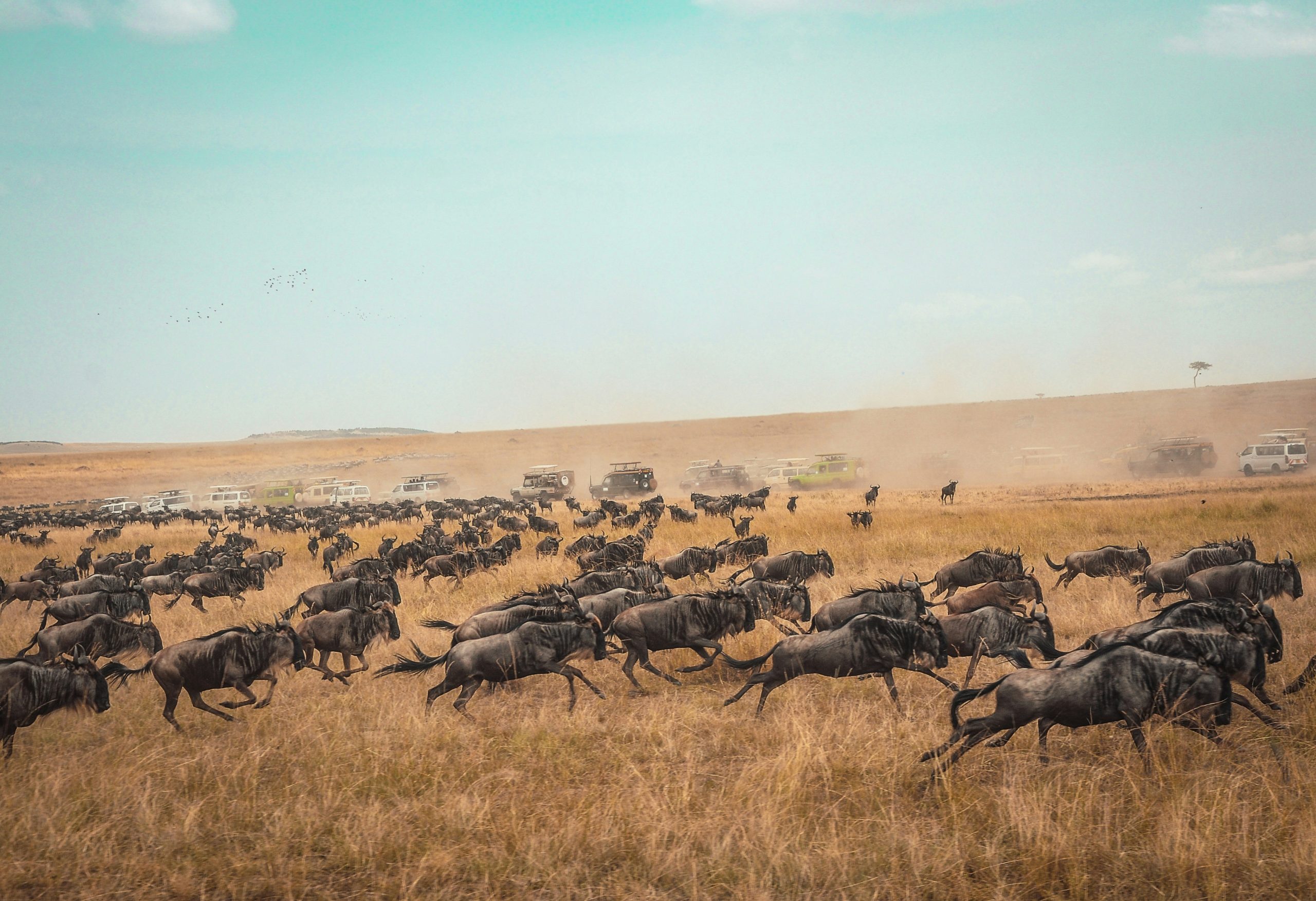
Five days is not a long time. But in Kenya, five days is enough to change you.
A well-designed 5-day Kenya safari is one of the most efficient, rewarding itineraries in African travel — tight enough to be accessible for those with limited annual leave, yet long enough to go deep into two of the continent’s finest wildlife destinations. Done right, you return home having witnessed the Maasai Mara’s legendary big cat country, stood in the shadow of Kilimanjaro, watched elephants at close range across open plains, and felt the particular stillness of an African morning that no photograph has ever quite managed to capture.
This is that itinerary. Built from years of guiding guests through Kenya’s seasons and landscapes, it represents the best 5-day circuit available — balancing wildlife richness, logistics, experience variety, and the pace that lets you actually absorb what you are seeing.
Before You Arrive: Key Planning Notes
Best time to run this itinerary: Year-round, with two outstanding windows — July to October for the Great Migration river crossings in the Mara, and January to March for calving season and excellent dry-season conditions in Amboseli.
Who this itinerary suits: First-time Kenya safari visitors, couples, honeymooners, small families, and anyone with 5–7 days available. It works across mid-range and luxury tiers; the experience scales with your accommodation choice, not the route.
How to get here: Fly into Jomo Kenyatta International Airport, Nairobi (NBO). Kenya Airways flies direct from London, Amsterdam, and several Asian hubs. Emirates, Qatar Airways, and Ethiopian Airlines offer competitive connections via their respective hubs. Arrive a day before Day 1 if your international flight lands late — a Nairobi airport hotel night is cheap insurance against a missed morning departure.
Internal travel: This itinerary uses charter flights between destinations (Wilson Airport, Nairobi → Amboseli → Maasai Mara → Wilson Airport). Flight times are short — 40 to 55 minutes — and the views of the Rift Valley and Kilimanjaro from the air are spectacular in their own right. Road transfers are possible but consume significant time that is better spent in the bush.
The Itinerary at a Glance
| Day | Location | Highlights |
|---|---|---|
| Day 1 | Nairobi → Amboseli | Afternoon arrival, first game drive, Kilimanjaro sunset |
| Day 2 | Amboseli | Full day — elephant herds, predator search, Observation Hill |
| Day 3 | Amboseli → Maasai Mara | Morning drive, fly to Mara, afternoon arrival game drive |
| Day 4 | Maasai Mara | Full day — big cats, wildebeest, Mara River (seasonal) |
| Day 5 | Maasai Mara → Nairobi | Final dawn drive, fly back, Nairobi departure |
Day 1: Nairobi → Amboseli National Park
Morning: Nairobi Departure
Your safari begins at Wilson Airport, Nairobi’s domestic terminal, a 20-minute drive from the city centre and most airport hotels. Your charter flight departs between 8:00 and 10:00 AM depending on your operator’s schedule — confirm the exact time the evening before and allow adequate transfer time from your hotel.
The flight to Amboseli takes approximately 45–50 minutes, skirting the edge of the Rift Valley and descending toward the flat Amboseli basin. On a clear morning — and Amboseli mornings are frequently clear — Kilimanjaro fills the horizon as you approach the airstrip: a full, snow-capped volcanic cone rising 5,895 metres from the surrounding plains. It is an arrival that sets the register for the days ahead.
Afternoon: First Game Drive
After meeting your guide and checking into camp, take a short rest before your afternoon game drive — typically departing at 3:30–4:00 PM and running until just before dark, around 6:30 PM.
Amboseli’s signature wildlife experience is its elephant herds — some of the largest and most studied in Africa. The park has been home to a long-term elephant research project for over five decades, meaning many of the elephants here have been observed and documented for generations. Your guide will know the family groups, the matriarchs, the young bulls. You will not simply see elephants in Amboseli; you will meet them.
The late afternoon light in Amboseli — the elephants moving across cracked earth with Kilimanjaro glowing pink behind them — is one of the most photographed scenes in Africa. It deserves every frame.
What else to look for on Day 1: Buffalo herds, zebra, wildebeest, giraffe, and the park’s healthy population of lions. Amboseli’s swamps (fed by underground water from Kilimanjaro) attract enormous concentrations of birds — over 600 species have been recorded — and the papyrus-fringed pools are worth time even if wildlife elsewhere is the priority.
Evening: Sundowner and Camp
Return to camp for a sundowner — gin and tonic, local Tusker beer, or fresh juice — as the light fades across the plains. Dinner under canvas or on an open deck. An early night. You have earned it.
Recommended Amboseli Camps:
- Mid-range: Tawi Lodge, Amboseli Serena Safari Lodge, Ol Tukai Lodge
- Luxury: Tortilis Camp, Elewana Tortilis Camp, &Beyond Kichwa Tembo (sister property in Mara)
Day 2: Amboseli — Full Immersion
Dawn Game Drive
Your guide knocks before sunrise. This is not negotiable and it is not a hardship — the hour before and after dawn in Amboseli is when the park belongs entirely to its animals, and to you.
Depart camp by 6:00–6:15 AM. The light is horizontal and golden, the air cool, and the wildlife at its most active. Lions may still be finishing a night’s hunt; cheetahs begin scanning the open plains for prey; elephants move from the swamps toward higher ground. This is the game drive that justifies early nights.
Morning: Observation Hill and Swamp Exploration
After a bush breakfast — brought by your guide to a scenic spot in the park — spend the late morning at Observation Hill, the only point in Amboseli where you are permitted to leave your vehicle and walk. The 360° view across the park, the swamps, the elephant herds below, and Kilimanjaro above is Amboseli’s defining panorama. Take your time here.
Spend the remainder of the morning exploring the Enkongo Narok swamp — a permanent water source that draws extraordinary concentrations of wildlife. Hippos wallow in large pools; African fish eagles call from fever trees; yellow-billed storks wade through the shallows; and buffalo herds move through the papyrus in slow, purposeful columns.
Midday: Rest at Camp
Return to camp for a late brunch and a proper midday rest. Between 11:00 AM and 3:00 PM, the African sun is at its most intense, wildlife rests in shade, and the most sensible thing a safari traveller can do is follow their lead. Sleep. Read. Sit on your tent deck. This rhythm — two game drives framing a midday rest — is one of the things that makes safari feel genuinely restorative rather than exhausting.
Afternoon: Predator Focus
The afternoon drive — departing 3:30–4:00 PM — centres on Amboseli’s resident predators. The park has healthy lion and cheetah populations, and your guide will be tracking sightings from the morning radio network. Leopard are present but elusive; any sighting is a genuine gift.
Before the return to camp, your guide will find a spot for sundowners in the bush — vehicle stopped, engine off, drinks poured, the silence of the plains settling around you. This is the moment many guests describe as their first true understanding of what a safari is.
Day 3: Amboseli → Maasai Mara
Morning: Final Amboseli Drive
One last early morning game drive in Amboseli before your departure. Keep expectations relaxed — this is a bonus hour, not a day’s work. But Amboseli has a habit of producing its finest sightings on departure mornings, as if the park knows you are leaving.
Return to camp for a full breakfast, pack your bags (soft-sided bags only for charter flights — maximum 15 kg per person), and transfer to the Amboseli airstrip for your 11:00–12:00 AM departure to the Maasai Mara.
Midday: Into the Mara
The charter flight from Amboseli to the Maasai Mara takes approximately 55 minutes, crossing the floor of the southern Rift Valley and arriving over the vast tawny plains of the Mara from the air — which gives you your first real sense of its scale. The Mara stretches in every direction, broken by the silver thread of the Mara River, scattered acacia lines, and the dark moving shapes of wildlife below.
Land at your camp’s dedicated airstrip, meet your Mara guide, and transfer directly to your accommodation for lunch and a short rest.
Afternoon: First Mara Game Drive
No safari visitor experiences the Mara and feels nothing. The density of wildlife here — the sheer number of animals visible from any elevated point in the reserve — is unlike anywhere else in Africa.
Your first afternoon drive should be exploratory: orient yourself to the landscape, locate the resident lion prides your guide has been tracking, find the cheetah coalition that territories this area of the Mara. Let the first drive be wide rather than deep. There is time.
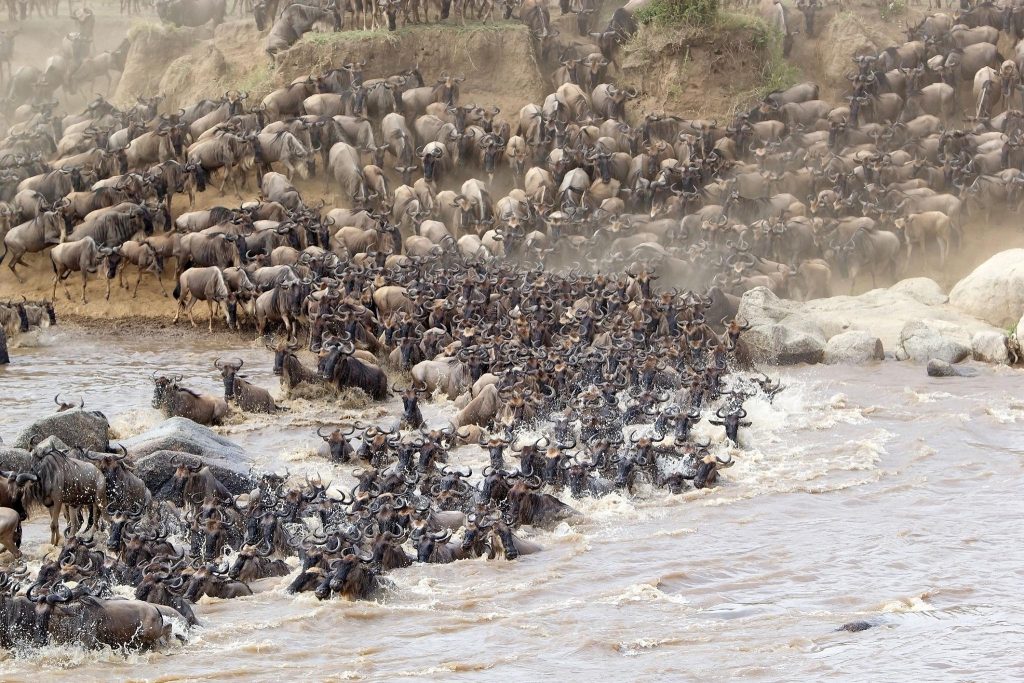
During July–October: Your guide will take you to the Mara River on this first afternoon drive to assess crossing activity. The wildebeest mass on both banks in their tens of thousands. The crossing itself — if it happens — is one of wildlife’s great spectacles. But it cannot be predicted or guaranteed. The wildebeest decide. Your guide reads the signs. You wait, attentively.
During other months: Resident wildlife in the Mara is exceptional year-round. The migration is a bonus, not the full story — the big cat density, the elephant herds, the buffalo and giraffe and a cast of supporting wildlife that most national parks would consider headline acts, is present in all seasons.
Recommended Maasai Mara Camps:
- Mid-range: Mara Serena Safari Lodge, Fig Tree Camp, Governors’ Il Moran
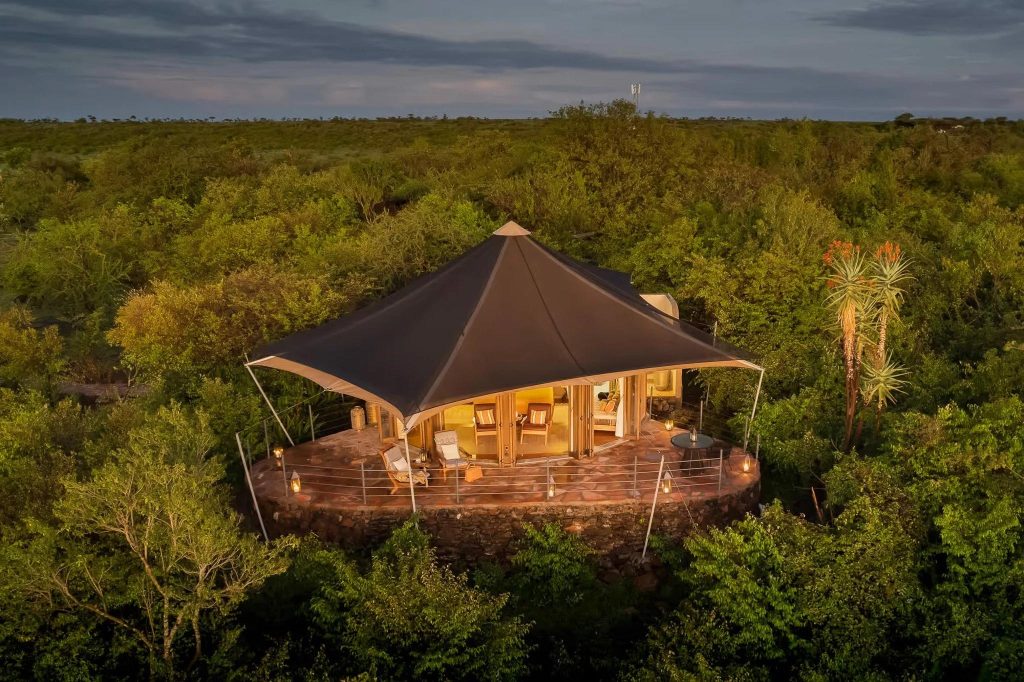
- Luxury: Angama Mara, Mahali Mzuri, Sanctuary Olonana, Rekero Camp, Cottar’s 1920s Camp
- Conservancy (most exclusive): Naboisho Camp, Basecamp Masai Mara, Ol Seki Hemingways, Mara Plains Camp
Day 4: Maasai Mara — The Full Day
This is the day the Maasai Mara delivers everything it has promised.
Dawn: The Mara at First Light
Depart camp at 5:45–6:00 AM — as early as your camp permits — and drive into the reserve as the light breaks. The Mara at dawn is a different world from any hour that follows: mist sits in the valleys, lions may still be visible from a night hunt, and the plains are alive with movement before the heat arrives.
Spend the first two hours following your guide’s leads — checking in with resident lion prides, scanning for cheetah on termite mounds, working the riverine forest edges for leopard. The Maasai Mara has more resident leopards than most people realise; sightings are more common here than in many larger parks.
Morning: The River and the Herds (July–October)
If you are visiting during the migration window, mid-morning is the time your guide will position you at the Mara River crossing points. This requires patience — real patience, sometimes hours of it — but the experience of watching the first wildebeest step toward the bank, the herd building behind them, the crocodiles repositioning in the water below, and then the explosive, thundering panic of the crossing itself is something that cannot be replicated in any other medium.
The crossing lasts minutes. The memory lasts a lifetime.
Midday: Optional Hot Air Balloon Safari
For those who booked in advance, a hot air balloon safari over the Maasai Mara is the morning’s alternative — or the perfect addition to a river morning if the crossing happened early. Balloons launch at dawn and drift for approximately one hour above the plains, with a champagne bush breakfast on landing. The aerial perspective — the scale of the migration from above, the sinuous Mara River, the endless plains — is completely different from anything seen from a vehicle and worth every cent of the approximately $500–$600 per person cost. See our Balloon Safari Cost Guide for the full breakdown.
This must be pre-booked; confirm with your operator before departure.
Afternoon: Big Cat Focus
The Maasai Mara’s afternoon drives centre on what the reserve does better than almost anywhere else: big cat watching. Your guide will position the vehicle for the best light and angles — watching a cheetah stalk through the grass as the sun drops toward the Mara horizon is the kind of scene that makes wildlife photographers weep with gratitude.
The Mara big cat roster:
- Lions: Multiple resident prides; some of Africa’s most studied and photographed individuals
- Cheetah: Several resident coalitions and females with cubs in good years
- Leopard: Present and increasingly visible, particularly in riverine woodland
- Serval: Often seen in the tall grass at dusk — exquisite and underappreciated
End the day with a sundowner on the plains — your guide will find a spot with a view that stretches uninterrupted to the horizon. The Mara sunset turns the sky colours that feel implausible from a distance.
Day 5: Final Dawn Drive → Nairobi Departure
Dawn: Last Hour in the Bush
Your final morning game drive is always, somehow, emotional. The Mara at dawn on your last day is the same as it was on your first — the lions do not know you are leaving, and the plains do not pause — but you see it differently now.
Depart camp at 6:00 AM for a final two-hour drive before returning for breakfast and the transfer to the airstrip. Ask your guide to take you somewhere particular — a favourite viewpoint, a tree where the fig-tree figs are ripe and the birds are congregating, a stretch of river they love. Let the last hour be theirs to choose.
Midday: Return to Nairobi
Your charter flight departs the Mara airstrip between 10:00 and 11:00 AM, landing at Wilson Airport Nairobi approximately 45 minutes later.
If your international departure is in the evening, Nairobi offers a half-day of options:
- Giraffe Centre — Feed endangered Rothschild’s giraffes from an elevated platform; one of Nairobi’s most genuinely enjoyable visitor experiences ($10 entry)
- David Sheldrick Wildlife Trust — The world’s most successful elephant orphan rescue programme, open for public visiting 11 AM–12 PM daily; moving and worth the time
- Karen Blixen Museum — The restored home of Out of Africa author Isak Dinesen, in the leafy suburb of Karen; a gentle, beautiful way to spend an afternoon
- Lunch in Karen or Westlands — Nairobi has an excellent restaurant scene; ask your operator for a current recommendation
Transfer to JKIA for your international departure.
Practical Information
What to Pack
- Neutral colours — khaki, olive, tan, sand. Avoid white (dust) and bright colours (disturbs wildlife)
- Layers — mornings and evenings in the Mara can be surprisingly cool (14–18°C); midday is warm (28–32°C)
- Wide-brimmed hat and high-SPF sunscreen
- Binoculars — 8×42 or 10×42 are ideal; your guide will have a vehicle pair but your own transforms the experience
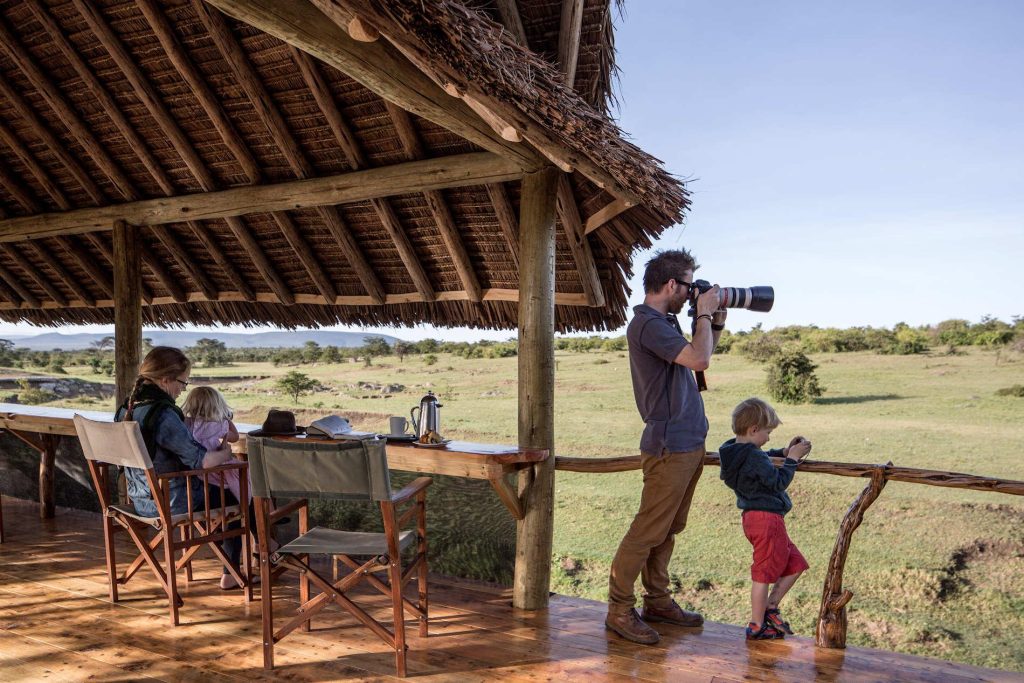
- Camera with a telephoto lens if photography matters to you; most modern smartphone cameras perform well in good light
- Small day bag for game drives; soft-sided main luggage only for charter flights (max 15 kg)
- Insect repellent containing DEET; apply at dawn and dusk
- Personal medication including antimalarials (prescribed before departure), antihistamines, and any regular prescriptions
- Power bank — camps charge devices but outlets may be limited
Budgeting
| Component | Budget Estimate Per Person |
|---|---|
| International flights (return) | $800–$1,800 |
| Internal charter flights | $480–$600 |
| Accommodation (5 nights, full board) | $1,200–$4,000+ |
| Park and conservancy fees | $600–$900 |
| Visa + travel insurance | $120–$180 |
| Tips | $175–$250 |
| Optional hot air balloon | $550–$600 |
| Total (mid-range, excl. balloon) | $3,500–$7,000 |
| Total (luxury, excl. balloon) | $8,000–$15,000+ |
See our full Kenya Safari Cost Guide for a detailed breakdown of every line item.
Extending Your Safari
Five days leaves you wanting more. Here is how to extend this itinerary sensibly:
+2 nights Laikipia Plateau (between Nairobi and the Mara): Kenya’s most underrated wildlife destination. Private conservancies, rhino tracking, night game drives, and extraordinary landscapes. Fly from Wilson Airport; flight time approximately 50 minutes.
+3 nights Zanzibar (post-safari beach extension): Fly Nairobi to Zanzibar (1h 45m direct). White sand, turquoise water, Swahili architecture, and spice farms. The classic Kenya–Zanzibar combination is one of East Africa’s finest two-part journeys.
+2 nights Samburu National Reserve: North of Nairobi, Samburu is drier, more dramatic in landscape, and home to the “Samburu Special Five” — Grevy’s zebra, reticulated giraffe, Somali ostrich, Beisa oryx, and gerenuk — species found nowhere else in Kenya’s main circuit.
Why Book This With Pride of Africa
This itinerary is one we know in detail — every airstrip, every camp, every guide, every season. We do not book trips we have not experienced. When you travel with Pride of Africa Adventures & Safaris, every transfer is confirmed, every lodge briefed on your preferences, and every guide selected for their knowledge of the specific area you are visiting.
We handle every detail so that by the time you board your first charter flight, the only thing left for you to do is look out of the window.
Day-by-day timings are indicative and adjusted based on season, wildlife activity, and your camp’s specific game drive schedules. All itineraries are confirmed in detail prior to departure. Internal flight schedules are subject to aviation authority and charter operator availability.
Written by the Pride of Africa Adventures & Safaris travel team — Kenya safari specialists with extensive on-the-ground experience across all major destinations.
Book This 5-Day Itinerary
Request a Custom Kenya Safari Quote
Browse All Kenya Safari Packages

Comments
No comments yet. Be the first to share your experience.
Leave a Comment
Your comment will appear after it has been reviewed by our team.