Blog

  • How Much Does a Kenya Safari Cost? A Complete Pricing Guide

    How Much Does a Kenya Safari Cost? A Complete Pricing Guide

    It is, without question, the most googled safari question in the world — and for good reason. A Kenya safari is a significant investment. You deserve a straight, honest answer rather than a vague “it depends” that leaves you more confused than when you started.

    So here it is: a Kenya safari costs anywhere from $150 per person per day at the budget end to $1,500–$3,000+ per person per day at the luxury end. Most travellers planning a quality, well-guided experience land somewhere between $400 and $900 per person per day, all-inclusive.

    But that range is only useful once you understand what drives it — and what each tier actually delivers. This guide breaks it all down so you can plan your safari with full clarity about where your money goes, what to prioritise, and where it’s safe to save.

    What Determines the Cost of a Kenya Safari?

    Before we get to numbers, it helps to understand the five factors that move the price in either direction.

    1. Accommodation tier — This is by far the biggest variable. The difference between a basic tented camp and a private luxury lodge can be $500+ per person per night. The type of property you choose sets the tone for everything else.

    2. Season — Peak season (July–October for the Great Migration, and January–March for calving) commands premium pricing. Green season (April–June, November) can be 20–35% cheaper, with added benefits: lush landscapes, fewer crowds, and excellent game viewing.

    3. Duration — A longer safari usually costs less per day once fixed costs (international flights, transfers, park fees) are spread over more nights.

    4. Exclusivity — Private conservancies surrounding the Maasai Mara charge higher daily rates but include activities (night drives, bush walks, game drives twice daily) that public reserves charge separately. When you add it all up, conservancies often represent stronger value.

    5. Group size — Solo travellers and couples typically pay a single or double supplement. Groups of four or more share vehicle costs, making each person’s share meaningfully lower.

    Safari Pricing by Tier

    Budget Safari: $150–$300 per person per day

    A budget Kenya safari is real, and for the right traveller, deeply rewarding. This tier typically involves:

    • Basic tented camps or guesthouses with shared facilities
    • Group game drives in shared vehicles (6–8 passengers)
    • Simple but wholesome meals included
    • Parks: commonly Amboseli, Tsavo East/West, Lake Nakuru, or Samburu
    • Self-drive options using a rented 4WD reduce costs significantly

    What to expect: Wildlife viewing can be outstanding — Kenya’s national parks do not discriminate by budget. What you give up is space, exclusivity, personalisation, and the polish of a curated experience. Shared vehicles sometimes mean waiting for others, rushed timing, and less flexibility for extended sightings.

    Best for: Solo backpackers, students, young travellers, those with flexible itineraries, repeat visitors who know what they want.

    5-day budget safari example:

    • 2 nights Nairobi guesthouse + 3 nights Maasai Mara basic camp
    • Shared 4WD game drives, full board
    • Approximate total: $750–$1,200 per person

    Mid-Range Safari: $300–$600 per person per day

    This is where the majority of first-time safari travellers land — and where Kenya genuinely delivers exceptional value. The mid-range tier offers:

    • Comfortable permanent tented camps or lodges with en-suite bathrooms
    • Private or semi-private game drives (2–4 passengers per vehicle)
    • Experienced guides with solid naturalist knowledge
    • Full board with most drinks included
    • Access to both national parks and some conservancy areas
    • Small group feel with a more personal touch

    What to expect: The step up from budget to mid-range is significant. You gain a private vehicle, a dedicated guide who learns what interests you, flexible timings for game drives, and accommodation that feels considered and comfortable. Evening game drives and sundowners begin to appear in this tier.

    Best for: First-time safari visitors, couples, small families, travellers who want quality without the luxury premium.

    7-day mid-range safari example:

    • Nairobi 1 night + Amboseli 2 nights + Maasai Mara 3 nights, comfortable camps
    • Private 4WD, full board, two game drives daily
    • Approximate total: $3,000–$5,500 per person

    Luxury Safari: $600–$1,500+ per person per day

    Kenya’s luxury safari market is world-class — and among the finest in Africa. This tier includes:

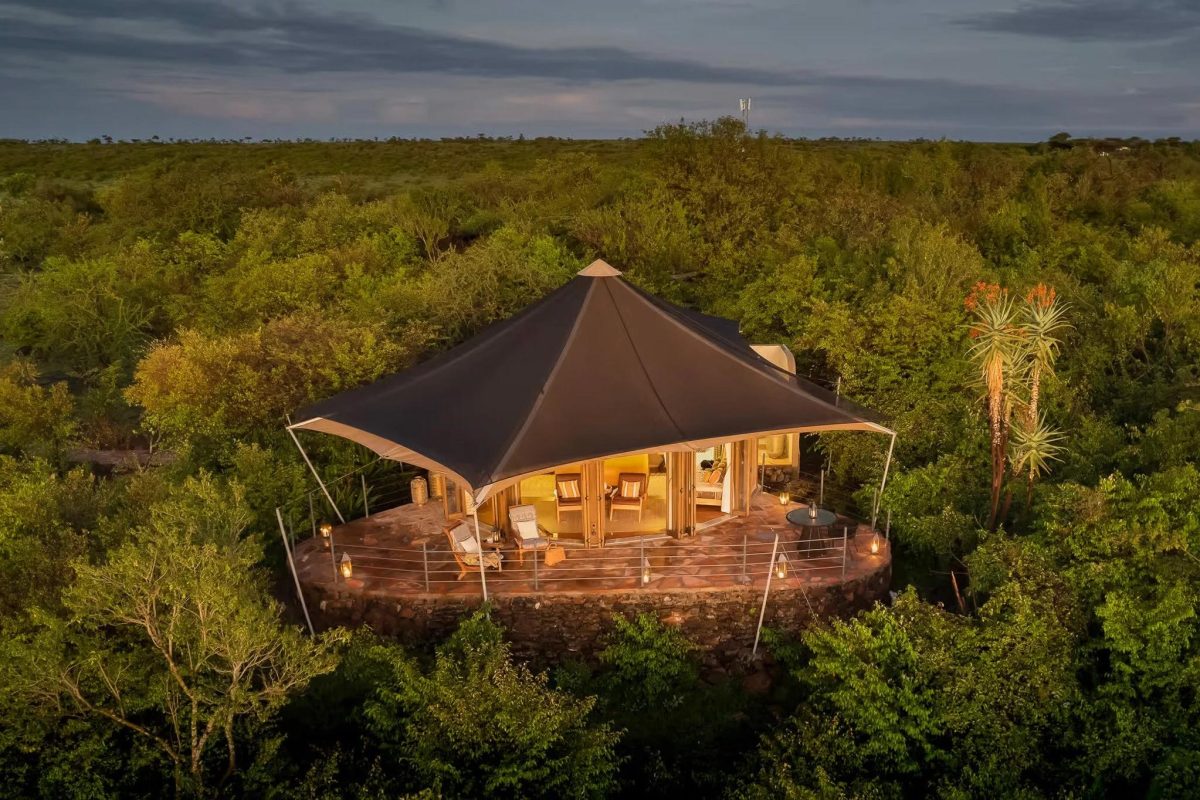
    • Intimate boutique camps with 6–12 tents maximum
    • Lavish en-suite tented suites with private decks, plunge pools, and open-air showers
    • All-inclusive rates covering accommodation, meals, drinks (including premium spirits), twice-daily game drives, bush walks, night drives, and sometimes cultural visits
    • Expert guides — often highly certified, multi-year specialists in their area
    • Private conservancy access with exclusive wildlife areas
    • Helicopter or fixed-wing charter transfers included at some properties
    • Private dining, spa treatments, personalised service

    What to expect: The luxury safari is fundamentally a different experience — not just in comfort but in depth. You have time. Your guide knows exactly which lion pride denned nearby and follows the cheetah coalition at your pace. The experience is unhurried, intimate, and genuinely transformative. The Maasai Mara conservancies — Naboisho, Olare Motorogi, Ol Kinyei, Mara North — are the heartland of Kenya’s luxury offering.

    Best for: Honeymooners, special occasion travel, families who want a seamless experience, photographers, those who want the absolute best of Kenya.

    7-day luxury safari example:

    • Nairobi 1 night (boutique hotel) + Laikipia 2 nights + Mara Conservancy 3 nights
    • All-inclusive, private guide and vehicle, night drives, walking safaris
    • Approximate total: $8,000–$18,000+ per person

    Ultra-Luxury / Private: $1,500–$3,000+ per person per day

    At the top of the market, Kenya offers exclusive-use camps, private conservancies, and bespoke itineraries where no detail is unconsidered. Think: exclusive-use of an entire camp for your group, private aircraft transfers between destinations, personalised menus, conservation-focused immersions, helicopter game viewing, and world-renowned guides. These experiences are benchmarked against the finest hospitality anywhere on earth — and many of them exceed it.

    Breaking Down the Key Costs

    Understanding the individual line items helps you plan and prioritise accurately.

    1. International Flights

    Getting to Nairobi (NBO) is your largest single fixed cost.

    • From Europe (London, Amsterdam, Paris): $700–$1,800 return per person
    • From USA/Canada (New York, LA, Toronto): $900–$2,200 return per person
    • From Asia (Dubai, Singapore, Mumbai): $600–$1,400 return per person
    • From Australia: $1,200–$2,500 return per person

    Booking 4–6 months ahead and travelling on weekdays typically yields the best fares. Emirates via Dubai and Kenya Airways direct from London are consistently competitive.

    2. Internal Charter Flights

    Flying from Nairobi to the Maasai Mara (45 minutes) versus driving (5–6 hours) is a choice most visitors are happy they made. Small charter aircraft operate between Wilson Airport, Nairobi, and numerous bush airstrips across the country.

    • Nairobi to Maasai Mara: $200–$280 per person one way
    • Nairobi to Amboseli: $160–$220 per person one way
    • Nairobi to Samburu: $220–$300 per person one way

    Some operators include internal flights in their packages; others quote them separately. Always confirm.

    3. Park Fees and Conservation Fees

    Kenya Wildlife Service (KWS) levies daily park fees for non-residents. These are built into most package quotes but worth understanding.

    • Maasai Mara National Reserve: ~$80–$100 per person per day (varies by county council; fees have increased in recent years)
    • Amboseli National Park: ~$60–$80 per person per day
    • Tsavo East/West: ~$52 per person per day
    • Lake Nakuru: ~$60 per person per day
    • Samburu National Reserve: ~$50 per person per day
    • Private Conservancy Fee (Maasai Mara): $80–$150 per person per day on top of reserve fees

    For a 7-night safari across two or three parks, park fees alone can add $600–$1,200 per person to the cost. This is normal and unavoidable — it funds conservation and community development directly.

    4. Accommodation

    Per person per night in shared double accommodation:

    Tier Per Person Per Night
    Budget camp / guesthouse $80–$200
    Mid-range tented camp / lodge $200–$450
    Luxury tented camp / lodge $450–$900
    Ultra-luxury / exclusive use $900–$2,500+

    Note that most reputable camps quote full board (all meals included), which represents genuine value compared to paying separately.

    5. Visas and Travel Documentation

    • Kenya e-Visa (ETA): $30 per person (most nationalities; apply online at etakenya.go.ke)
    • Yellow Fever Certificate: Required if arriving from or transiting through a yellow fever endemic country; the vaccine itself costs $80–$150 depending on location
    • Travel Insurance: $80–$250 per person for a 2-week trip depending on cover level — strongly recommended, and non-negotiable for responsible safari planning

    6. Tips and Gratuities

    Tipping is customary and meaningful in Kenya’s safari industry. Standard guidelines:

    • Safari guide: $15–$25 per person per day
    • Camp/lodge staff: $10–$15 per person per day (often via a communal tip box)
    • Tracker: $5–$10 per person per day where applicable
    • Airport or hotel porter: $2–$5 per service

    Budget approximately $25–$40 per person per day for tipping across a full safari. Many guests set aside a tip envelope at the start of each stay and add to it daily.

    7. Personal Extras

    • Curio purchases and craft markets
    • Spa treatments (where offered)
    • Premium drinks and bar tabs beyond included beverages
    • Additional activities not in the package (hot air balloon, Maasai village visit)
    • Travel to/from your home airport

    Hot air balloon safari over the Maasai Mara: approximately $500–$600 per person, typically including a champagne breakfast on landing — one of the most spectacular experiences Kenya offers, and worth every cent for the right traveller. See our Balloon Safari Cost Guide for the full breakdown.

    Real Safari Budgets: Three Itinerary Examples

    The 5-Day Mara Escape (Mid-Range Couple)

    • Return flights London–Nairobi: $1,200 per person
    • Charter Nairobi–Mara–Nairobi: $500 per person
    • 1 night Nairobi boutique hotel: $180 per person
    • 3 nights mid-range Maasai Mara camp (full board): $1,050 per person
    • Park and conservancy fees: $480 per person
    • Visa + insurance: $120 per person
    • Tips + extras: $200 per person
    • Estimated total per person: ~$3,730
    • Couple total: ~$7,460

    The 10-Day Kenya Classic (Mid-Range Family of 4)

    • Return flights Amsterdam–Nairobi: $900 per person
    • Internal charter flights: $550 per person
    • 1 night Nairobi + 3 nights Amboseli + 2 nights Samburu + 3 nights Maasai Mara
    • Accommodation (full board, mid-range): $3,200 per person
    • Park fees: $800 per person
    • Visa + insurance: $130 per person
    • Tips + extras: $350 per person
    • Estimated total per person: ~$5,930
    • Family of 4 total: ~$23,720

    The 8-Day Honeymoon (Luxury Couple)

    • Return flights Dubai–Nairobi (Business): $2,800 per person
    • Private charter Nairobi–Laikipia–Mara conservancy–Nairobi: $900 per person
    • 1 night Nairobi luxury hotel: $350 per person
    • 3 nights Laikipia private conservancy (all-inclusive): $2,100 per person
    • 3 nights Mara conservancy camp (all-inclusive): $2,700 per person
    • Park + conservancy fees (included in rates): $0
    • Visa + insurance: $150 per person
    • Hot air balloon: $580 per person
    • Tips + extras: $400 per person
    • Estimated total per person: ~$9,980
    • Couple total: ~$19,960

    Where to Save — and Where Not To

    Safe to save:

    • Season: Green season offers 20–35% savings with genuinely excellent game viewing. April–June and November are our recommended shoulder windows.
    • Destination mix: Combining a luxury Maasai Mara stay with a more affordable park like Tsavo or Amboseli keeps the overall cost down without compromising the headline experience.
    • Nairobi nights: One or two nights in Nairobi are logistically necessary; save on these and spend on your bush time.
    • Economy flights: Unless flying Business is a priority for you, economy on a 8–10 hour flight is entirely manageable with the right airline.

    Do not save on:

    • Your guide: The quality of your guide determines the quality of your safari more than any other single factor. A skilled, experienced, deeply knowledgeable guide transforms a game drive into something you will describe for years. This is not where to cut corners.
    • Travel insurance: Comprehensive cover is essential — emergency medical evacuation from remote bush locations can cost $30,000–$80,000+ without it.
    • The migration timing: If the wildebeest crossing is your dream, travel in July–October. Going in the wrong season to save money is the most expensive mistake you can make — you cannot get that trip back.
    • Your first safari: If this is your first time in Africa, invest in a quality experience. The people who feel their safari was average almost always cut the wrong budget.

    Is a Kenya Safari Worth the Cost?

    We are biased, admittedly. But we are also experienced enough to know that nearly every client who has returned from a well-planned Kenya safari answers this question the same way: without hesitation.

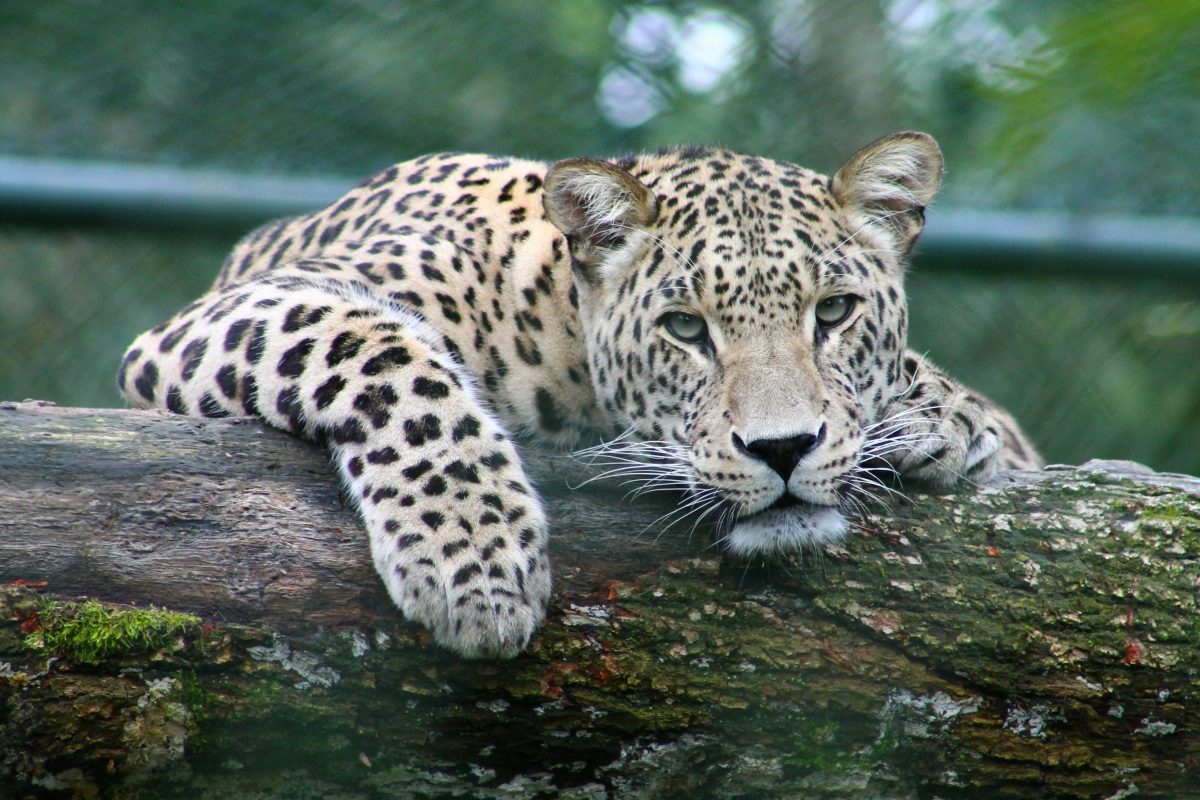
    There is something that happens when you watch a leopard carry a kill into an acacia at dusk, or when a herd of a thousand wildebeest crashes through the Mara River twenty metres from your vehicle. It does not translate into words, and it does not compare with any other kind of travel.

    A Kenya safari, planned thoughtfully and timed well, is not a holiday. It is an experience that recalibrates you. Most people who come once start planning their return before they board their flight home.

    That, ultimately, is the answer.

    Let Us Build Your Safari

    At Pride of Africa Adventures & Safaris, we plan Kenya safaris across all tiers — from carefully crafted mid-range itineraries that deliver remarkable value to fully bespoke luxury journeys built around your exact vision.

    Tell us when you want to travel, how many in your group, and what matters most to you. We will send you a tailored itinerary and honest pricing within 24 hours — no obligation, no pressure.

    Prices quoted in USD. Rates are indicative and subject to exchange rates, seasonality, and availability at time of booking. Park fees are set by Kenya Wildlife Service and county authorities and may be revised. All Pride of Africa packages are quoted individually based on your travel dates and group size.

    Written by the Pride of Africa Adventures & Safaris travel team — Kenya safari specialists.

    Request a Free Kenya Safari Quote
    Browse Our Kenya Safari Packages
    Talk to a Safari Specialist
  • Kenya Family Safari Guide: 5 Top Destinations and Tips

    Kenya Family Safari Guide: 5 Top Destinations and Tips

    Why Choose Kenya for a Family Safari?

    Kenya offers an excellent combination of wildlife, adventure, culture, and comfort. Families can experience classic African game drives while also enjoying activities such as nature walks, boat rides, conservation experiences, cultural visits, and beach holidays.

    Some of the reasons Kenya is ideal for a family safari include:

    • Exceptional wildlife viewing
    • Excellent opportunities to see the Big Five
    • A wide variety of safari destinations
    • Family-friendly lodges and camps
    • Experienced professional safari guides
    • Private safari options
    • Short domestic flights between major destinations
    • Cultural and conservation experiences
    • Easy opportunities to combine safari and beach holidays

    For families visiting Africa for the first time, Kenya provides a great introduction to safari travel while offering enough variety to create a trip around your family’s interests and pace.

    Best Family Safari Destinations in Kenya

    Kenya has many national parks, conservancies, and reserves. However, some destinations stand out for families because of their wildlife, scenery, accommodation, and variety of activities.

    Maasai Mara National Reserve

    The Maasai Mara is one of the best destinations for a Kenya family safari. Its open grasslands provide excellent opportunities to see lions, elephants, buffalo, giraffes, zebras, cheetahs, hippos, and many other species. The Mara is also famous for the annual Great Migration, when millions of wildebeest, zebras, and other grazing animals move through the wider Mara-Serengeti ecosystem.

    Why families love the Maasai Mara:

    • Excellent wildlife viewing
    • Big Five opportunities
    • Family-friendly camps and lodges
    • Exciting game drives
    • Beautiful open landscapes
    • Cultural experiences
    • Excellent photography opportunities

    For many families, 3–4 nights in the Maasai Mara provides enough time for several game drives without making the itinerary feel rushed.

    Amboseli National Park

    Amboseli is particularly popular with families because of its spectacular scenery and large elephant herds. On clear days, Mount Kilimanjaro provides an unforgettable backdrop to the park. Children can enjoy watching elephants, giraffes, zebras, lions, and other wildlife while learning about animal behaviour from their safari guide.

    Family highlights include:

    • Large elephant herds
    • Mount Kilimanjaro views
    • Game drives
    • Birdwatching
    • Maasai cultural experiences
    • Wildlife photography

    Amboseli works particularly well as part of a longer itinerary combining Nairobi, Amboseli, Lake Naivasha, and the Maasai Mara.

    Ol Pejeta Conservancy

    Located in Kenya’s Laikipia region, Ol Pejeta Conservancy offers families an opportunity to combine wildlife viewing with conservation education. It is especially valuable for children because they can learn about endangered species and the work involved in protecting Kenya’s wildlife.

    Wildlife experiences may include sightings of:

    • Rhinos
    • Lions
    • Elephants
    • Giraffes
    • Zebras
    • Chimpanzees
    • Numerous bird species

    Lake Naivasha

    Lake Naivasha provides a refreshing change from traditional game drives. Families can enjoy a boat excursion on the lake, where they may see hippos, birds, and other wildlife. Nearby Hell’s Gate National Park can also provide opportunities for outdoor activities, depending on the children’s ages, weather, and conditions. Lake Naivasha is particularly convenient when travelling between Nairobi and the Maasai Mara.

    Samburu National Reserve

    For families looking for a different landscape and a quieter safari experience, Samburu is an excellent choice. The reserve’s dry, rugged scenery is very different from the open grasslands of the Maasai Mara.

    Samburu is known for several distinctive northern Kenyan species, including:

    • Grevy’s zebra
    • Reticulated giraffe
    • Gerenuk
    • Beisa oryx
    • Somali ostrich

    Samburu can be particularly rewarding for families with older children who are interested in wildlife, photography, and exploring less-visited parts of Kenya.

    Best Time for a Family Safari in Kenya

    Kenya is a year-round safari destination, although different seasons offer different experiences.

    June to October

    This is one of the most popular periods for a Kenya safari. The weather is generally favourable, vegetation can be lower, and wildlife may be easier to spot. The Maasai Mara can also experience the Great Migration during this period.

    Best for: First-time safari families, wildlife viewing, and migration experiences.

    November to December

    The short rains can produce green landscapes and, in some areas, fewer visitors. Wildlife viewing can remain excellent, making this an attractive period for families looking for a quieter experience.

    Best for: Green scenery, fewer crowds, and potentially better-value safari experiences.

    January to February

    These months can offer excellent wildlife viewing and generally pleasant conditions in many safari areas.

    Best for: Wildlife-focused family trips and photography.

    March to May

    The long rains make this a quieter travel period in many parts of Kenya. Some lodges and camps may offer lower rates, although rain can affect road conditions and daily activities.

    Best for: Families seeking value and a quieter safari, provided they are comfortable with the possibility of wet weather.


    How Many Days Do You Need for a Kenya Family Safari?

    For most families, 7–10 days provides a good balance between wildlife experiences, travel, and relaxation. A shorter itinerary can focus on two main destinations, while a longer trip allows families to explore additional parks or add a beach holiday.

    Sample 7-Day Kenya Family Safari

    • Day 1: Arrive in Nairobi
    • Day 2: Nairobi → Amboseli National Park
    • Day 3: Amboseli game drives
    • Day 4: Amboseli → Nairobi or Lake Naivasha
    • Day 5: Continue to the Maasai Mara
    • Day 6: Full-day Maasai Mara safari
    • Day 7: Maasai Mara → Nairobi

    For families with more time, a 10–14 day itinerary could include Ol Pejeta, Samburu, Lake Naivasha, or the Kenyan coast.

    Family-Friendly Safari Accommodation

    Accommodation can make a significant difference to the overall family safari experience. When choosing a lodge or camp, consider more than just its luxury rating.

    Look for:

    • Family rooms or interconnected rooms
    • Child-friendly meal options
    • Swimming pools where appropriate
    • Safe outdoor areas
    • Babysitting services where available
    • Family activities
    • Flexible meal times
    • Reliable electricity and connectivity
    • Appropriate age policies
    • Access to medical assistance

    Always confirm the property’s child policy before booking, as some safari camps have minimum-age restrictions.

    What Age Is Best for a Kenya Safari?

    There is no single perfect age for a safari. The most important consideration is whether the itinerary is designed around the children’s age, interests, and energy levels.

    Babies and Toddlers

    Travelling with very young children requires additional planning. Shorter game drives, comfortable accommodation, flexible meal arrangements, and convenient transport can make the experience much easier.

    Children Aged 5–8

    This can be an exciting age to introduce children to safari. A wildlife checklist, binoculars, photography, and simple explanations from the guide can help keep younger children engaged.

    Children Aged 9–12

    Older children can participate more actively in conservation experiences, nature walks where permitted, photography, and cultural activities.

    Teenagers

    Teenagers often enjoy longer game drives, wildlife photography, conservation experiences, cultural activities, and more adventurous itineraries.

    Tips for Taking Children on Safari

    A successful family safari depends as much on planning as it does on choosing the destination.

    1. Avoid Overloading the Itinerary

    Moving between destinations every day can be tiring. Whenever possible, stay for several nights in each location so the family has time to relax.

    2. Mix Safari Activities

    Children may lose interest if every day consists of long game drives. Depending on the destination and age of the children, consider combining game drives with nature walks, boat excursions, cultural experiences, conservation activities, photography, swimming, and beach relaxation.

    3. Carry Snacks

    Some game drives can last several hours. Familiar snacks can be especially useful for younger children.

    4. Bring Binoculars

    A pair of binoculars gives children something active to do while searching for wildlife.

    5. Create a Wildlife Checklist

    Turn wildlife viewing into a game. Children can record the animals they see and learn interesting facts about each species.

    6. Follow Your Guide’s Instructions

    Safari guides understand animal behaviour, terrain, and safety procedures. Children should always listen to their guide and follow instructions during game drives and other activities.

    Is Kenya Safe for a Family Safari?

    Kenya has a well-established tourism industry and many experienced safari operators who regularly work with families. As with any wildlife destination, however, safety should always be taken seriously.

    Children should remain inside the safari vehicle unless the guide has specifically identified a safe area and given permission to leave the vehicle. Wild animals are unpredictable, even when they appear calm. Parents should also explain basic wildlife safety rules to children before the safari begins. Your safari operator should provide destination-specific guidance throughout your trip.

    What Should Children Pack for a Kenya Safari?

    Children do not need an extensive safari wardrobe. Focus on lightweight, comfortable clothing that can be layered.

    Clothing

    • Lightweight trousers
    • T-shirts
    • Long-sleeved shirts
    • Warm fleece or jacket
    • Comfortable walking shoes
    • Hat
    • Sunglasses
    • Light rain jacket
    • Swimwear where appropriate

    Safari Essentials

    • Binoculars
    • Camera
    • Reusable water bottle
    • Sunscreen
    • Insect repellent
    • Small backpack
    • Personal medication
    • Wildlife notebook
    • Small travel games or books

    Neutral colours such as khaki, beige, olive, and brown are practical, but there is no need to purchase a completely new safari wardrobe.


    How Much Does a Kenya Family Safari Cost?

    There is no single price for a Kenya family safari because the total cost depends on several factors, including the number of travellers, children’s ages, safari duration, accommodation level, travel season, private or shared safari, domestic flights, and activities.

    A private safari generally costs more than joining a group safari, but it offers greater flexibility. For families, a private safari can be particularly useful because departure times, game-drive duration, meal arrangements, and daily activities can all be adapted to the family’s needs.


    Can You Combine a Kenya Safari With a Beach Holiday?

    Yes. A safari and beach combination is one of the most popular ways to experience Kenya. After several days of wildlife viewing, families can head to the coast for swimming, relaxation, and beach activities.

    Popular coastal destinations include:

    • Diani Beach
    • Watamu
    • Mombasa
    • Malindi
    • Lamu

    Sample 10-Day Kenya Family Safari and Beach Holiday

    • Day 1: Arrive in Nairobi
    • Day 2: Nairobi → Amboseli
    • Day 3: Amboseli safari
    • Day 4: Amboseli → Nairobi
    • Day 5: Fly or drive to the Maasai Mara
    • Day 6: Full-day Maasai Mara safari
    • Day 7: Maasai Mara safari
    • Day 8: Maasai Mara → Nairobi
    • Day 9: Fly to the Kenyan coast
    • Day 10: Beach relaxation and departure arrangements

    The itinerary can be extended or modified depending on your family’s ages, interests, travel dates, and budget.


    Frequently Asked Questions About Kenya Family Safaris

    Is Kenya good for a family holiday?

    Yes. Kenya combines wildlife, cultural experiences, outdoor activities, and beaches, making it suitable for many different types of family holidays.

    What is the best safari destination for families in Kenya?

    The Maasai Mara is one of the strongest choices because of its exceptional wildlife viewing and wide range of accommodation. Amboseli and Ol Pejeta are also excellent options.

    How long should a family safari in Kenya be?

    A 7–10 day safari works well for many families. Longer trips allow you to explore more destinations or add a beach holiday.

    Can young children go on safari?

    Yes. Families with young children can enjoy safari, but the itinerary should be adapted to their age, energy levels, and comfort.

    What animals can children see in Kenya?

    Depending on the destination, families may see lions, elephants, giraffes, zebras, buffalo, cheetahs, leopards, rhinos, hippos, wildebeest, and numerous bird species.

    Is a private safari better for families?

    A private safari can be particularly convenient for families because the itinerary can be adapted to their schedule and interests.

    Can we combine Kenya with a beach holiday?

    Yes. Many families combine a Kenya safari with a few days at Diani Beach, Watamu, Mombasa, Malindi, or Lamu.


    Plan Your Kenya Family Safari

    A great family safari is not simply about visiting as many parks as possible. It is about creating an itinerary that matches your family’s interests, children’s ages, travel style, and preferred pace.

    At Pride of Africa Adventures & Safaris, we can help you design a personalized family safari across Kenya, combining wildlife, adventure, culture, conservation, and relaxation. Whether your dream trip includes the Maasai Mara, Amboseli, Lake Naivasha, Ol Pejeta, Samburu, or the Kenyan coast, your itinerary can be tailored around your family’s needs.

    Request Your Personalized Kenya Family Safari   Talk to a Safari Expert on WhatsApp


    Kenya Family Safari Checklist

    Before travelling, make sure your family has:

    • ✅ Valid passports and required travel documents
    • ✅ Travel insurance
    • ✅ Appropriate lightweight clothing
    • ✅ Comfortable walking shoes
    • ✅ Sun protection
    • ✅ Insect repellent
    • ✅ Binoculars
    • ✅ Camera
    • ✅ Reusable water bottles
    • ✅ Personal medication
    • ✅ Child-friendly snacks
    • ✅ Small daypacks
    • ✅ Copies of important travel documents

    Your family’s African adventure starts in Kenya.

  • Zanzibar Beach Excursions: The Best Ocean Experiences, Island Trips & Day Adventures

    Zanzibar Beach Excursions: The Best Ocean Experiences, Island Trips & Day Adventures

    Why Zanzibar’s ocean experiences are different

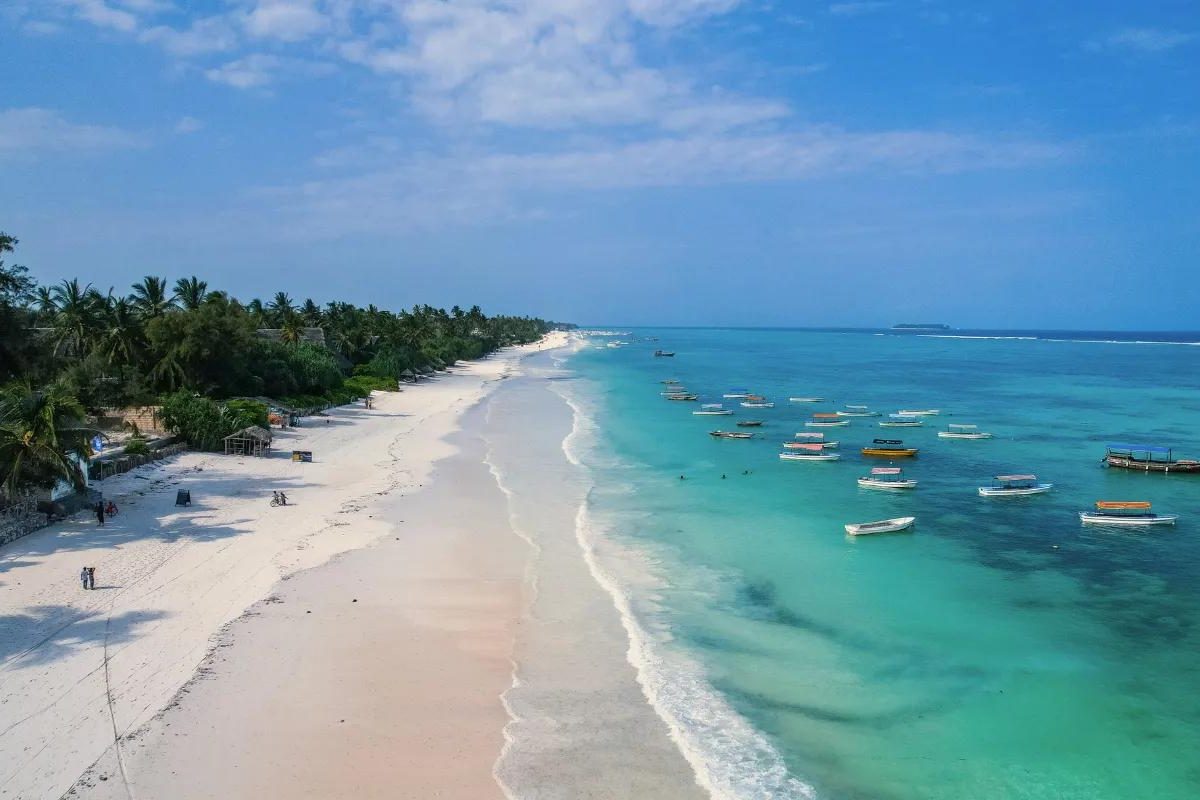
    Zanzibar’s reputation rests on its beaches, but the best of the island rarely happens on the sand itself. It happens just offshore, on a dhow with its sail cracking in the wind, in the warm shallows of a sandbank that only exists for a few hours a day, or underwater over a coral garden where reef fish move in unison.

    Zanzibar — technically the main island of Unguja, part of the Zanzibar Archipelago off the coast of Tanzania — sits inside a stretch of the Indian Ocean shaped by shallow reef platforms, tidal sandbanks and channels that run deep enough for dolphins and larger pelagic fish. That geography is what makes Zanzibar excursions distinct from generic tropical beach outings elsewhere.

    The tide, not the clock, sets the rhythm of a lot of these trips. Sandbanks appear and disappear. Reef visibility shifts with the season. Dhow routes are planned around wind direction as much as scenery. None of this needs to complicate a visit, but it explains why the same excursion booked in July can look very different in February, and why a good local operator matters more here than in destinations where the ocean simply sits still.

    For travelers arriving from a mainland safari in Kenya or Tanzania, Zanzibar also offers a genuine change of pace: reef and open water in place of savannah, humid coastal air in place of dust, and a Swahili coastal culture shaped by centuries of trade across the Indian Ocean.

    Best time for Zanzibar beach excursions

    Peak season

    June – October

    Long dry season. Cooler, less humid, excellent underwater visibility. Best overall window for boat trips and snorkeling.

    Good season

    December – February

    Short dry season. Warm water, strong diving and snorkeling conditions. Popular for festive-period safari-and-beach combinations.

    Low season

    March – May

    Long rains (masika). Rougher seas, reduced visibility, some trips curtailed. Lower prices suit flexible, budget-conscious travelers.

    Shoulder

    November

    Short rains (vuli). Lighter and more unpredictable than the March–May rains. Conditions variable — check closer to travel dates.

    The best Zanzibar beach excursions & ocean experiences

    1. Snorkeling at Mnemba Atoll

    Mnemba Atoll, off Zanzibar’s northeast coast, is widely regarded as one of the best snorkeling and diving sites in the region. The reef supports a wide range of tropical fish species, and the surrounding channel is a known area for dolphin sightings, though, as with all wildlife encounters, sightings are never guaranteed. Because Mnemba sits within a designated conservation area, visiting involves a marine park fee in addition to the excursion cost. This is one of the more carefully regulated Zanzibar marine excursions, which is part of why the reef has remained in genuinely good condition.

    Best for: Snorkelers, divers and travelers who want the single best underwater experience Zanzibar offers.

    2. Sandbank excursions — Safari Blue and Nakupenda

    Sandbank trips are arguably the most photographed of all Zanzibar island excursions: a sliver of white sand surrounded entirely by turquoise water, visible only at low to mid tide. Safari Blue, launched from Fumba on the southwest coast, is a full -day dhow excursion combining sandbank time, snorkeling over a nearby reef, a seafood lunch, and often a canoe through mangrove channels. Nakupenda sandbank, close to Stone Town, offers a shorter, easier option, a half-day taste without a long transfer. Both are run by multiple operators with varying standards, so checking recent reviews for group size, boat condition and what’s genuinely included is worth doing before booking.

    Best for: Families, first-time visitors and travelers who want an easy, highly scenic day on the water without technical diving.

    3. Dhow cruises and sunset sails

    The dhow, a traditional wooden sailing vessel long used across the Swahili Coast for fishing and trade, is now as much a part of Zanzibar’s tourism identity as its beaches. A Zanzibar sunset cruise, typically launched from beaches along the west coast near Stone Town, is a low-effort, high-reward addition to any beach itinerary: an hour or two on calm water as the light changes, sometimes with drinks or a light meal included. These cruises are less about adventure and more about atmosphere, which makes them one of the more flexible excursions to slot into an otherwise packed schedule — including on an arrival or departure day.

    Best for: Couples, honeymooners and anyone seeking a relaxed evening activity rather than a full-day excursion.

    4. Dolphin tours at Kizimkazi

    The waters off Kizimkazi, on Zanzibar’s southern tip, are known for resident pods of bottlenose and humpback dolphins. This is also one of the more debated excursions from a responsible-travel standpoint: high boat traffic around dolphin pods has raised documented concerns about disturbance to the animals. Travelers should look specifically for operators who follow responsible-viewing guidelines, maintaining a respectful distance, limiting boat numbers around a pod, and not chasing or encircling the animals, and should treat any sighting as a possibility rather than a guarantee.

    Best for: Wildlife-focused travelers, provided they choose an operator with a clear commitment to responsible marine wildlife viewing.

    5. Jozani-Chwaka Bay National Park

    Not a beach excursion in the strictest sense, but frequently combined with a south or east coast beach stay as a half-day add-on. Jozani is Zanzibar’s principal area of surviving natural forest and home to the Zanzibar red colobus monkey, a subspecies found nowhere else in the world, alongside mangrove boardwalks along Chwaka Bay.

    Best for: Travelers who want a break from the water and an easy introduction to Zanzibar’s terrestrial wildlife and conservation story.

    6. Prison Island and its giant tortoises

    A short boat ride from Stone Town, Changuu, commonly known as Prison Island, combines a swimmable beach, snorkeling over a small reef, and a sanctuary for Aldabra giant tortoises, some reportedly among the oldest living animals on the island. Its proximity to Stone Town makes it one of the easiest half-day excursions to arrange on short notice.

    Best for: Travelers based near Stone Town and families looking for an easy, short outing.

    7. Watersports at Paje and Jambiani

    The east coast, particularly around Paje, has developed into one of the region’s more established kitesurfing destinations, thanks to steady trade winds and a wide, shallow lagoon that’s relatively forgiving for learners. Beyond kitesurfing, the same stretch supports paddleboarding, sailing and long, quiet beach walks at low tide across the exposed reef flat.

    Best for: Active and adventure travelers, and anyone wanting to learn a watersport rather than simply observe the ocean from a boat.

    8. Stone Town, spice tours and coastal culture

    No set of Zanzibar excursions is complete without acknowledging that the island’s identity is cultural as much as coastal. Stone Town, a UNESCO World Heritage Site and the spice plantation tours nearby add context to a beach-focused trip: the trade routes, the Swahili and Omani influence on the island’s architecture, and the spice trade that shaped Zanzibar’s economy for centuries. Pairing a day of cultural exploration with a beach-based excursion gives a more complete picture of the island than the coast alone can offer.

  • The Rock-Hewn Churches of Lalibela: Ethiopia’s African Jerusalem

    The Rock-Hewn Churches of Lalibela: Ethiopia’s African Jerusalem

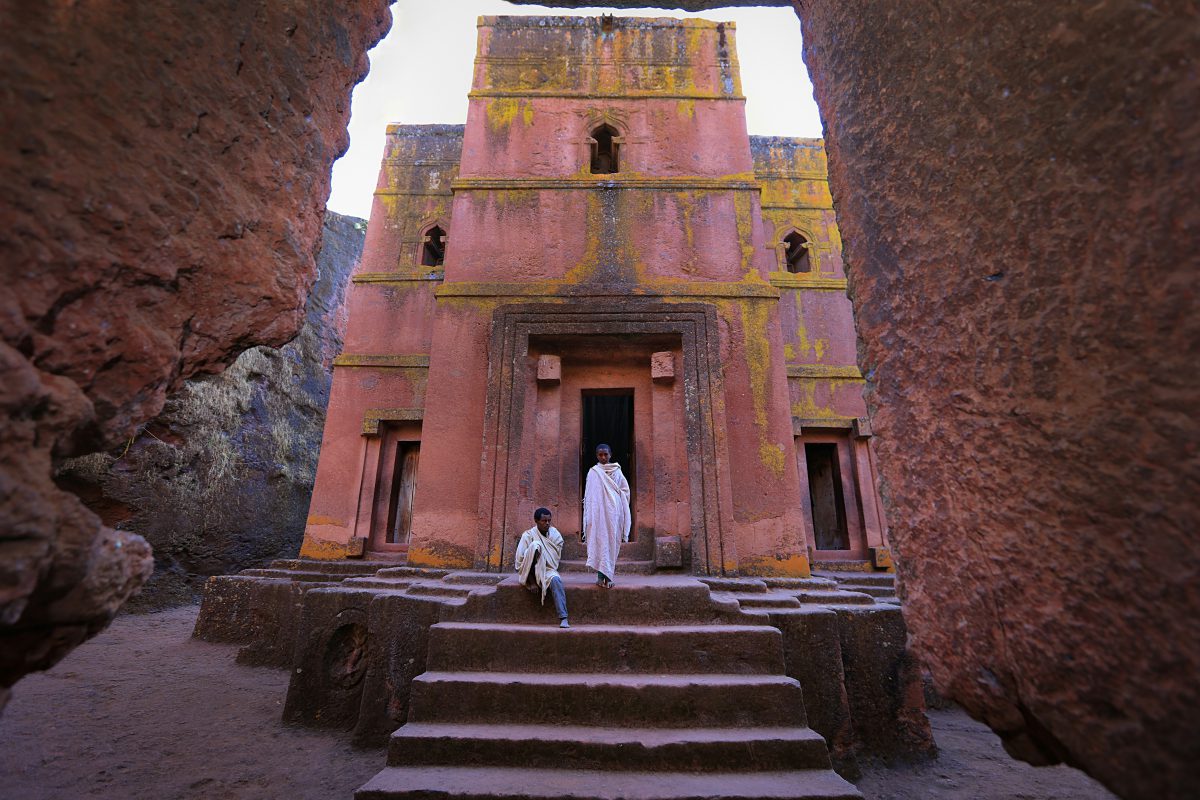
    The Rock-Hewn Churches of Lalibela are among the greatest architectural and religious achievements of medieval Africa — a complex of 11 monolithic churches carved directly downward into living volcanic rock in the highlands of northern Ethiopia. They are still active places of worship today and are considered one of the holiest sites of the Ethiopian Orthodox Tewahedo Church.

    Located in the town of Lalibela, historically known as Roha, the churches were inscribed as a UNESCO World Heritage Site in 1978.

    What Makes Lalibela Extraordinary

    Most churches are built upward by stacking materials. Lalibela’s churches were made the opposite way: workers cut downward into the rock, removing thousands of tons of stone until entire buildings emerged from the ground. The builders carved walls, roofs, windows, doors, columns, floors, drainage systems, ceremonial tunnels, and courtyards — all from a single massive block of volcanic rock. They are not simply caves — they are fully designed churches hidden in the earth.

    History: Who Built Them?

    The churches are traditionally attributed to King Gebre Mesqel Lalibela of the Zagwe dynasty, who ruled Ethiopia roughly from 1181–1221 CE. According to Ethiopian tradition, Lalibela wanted to create a “New Jerusalem” in Ethiopia. At the time, Christian pilgrimage to Jerusalem had become more difficult because of political changes in the Middle East. He created a sacred city where Ethiopian Christians could experience a symbolic Holy Land without leaving Africa.

    The historical reality is more complex: scholars debate the exact sequence of construction, and some churches may have evolved through multiple phases rather than being completed in one single campaign. Some of the earliest rock-hewn features may date back to the 7th or 8th centuries.

    Ethiopian tradition also holds that angels assisted in building the churches, working alongside human laborers at night to speed construction — a story that speaks to how astonishing the achievement seemed even to those who witnessed it.

    The 11 Churches

    The churches are arranged in two main clusters separated by the symbolic River Jordan — a carved channel representing the biblical river.

    Northern Group

    • Biete Medhane Alem (House of the Saviour of the World): Often considered the largest of the Lalibela churches. It resembles a huge classical basilica with five aisles and massive carved columns. It may be the largest monolithic church in the world.
    • Biete Maryam (House of Mary): One of the most richly decorated churches, featuring painted interiors, carved crosses, and symbolic biblical imagery.
    • Biete Maskal (House of the Cross): A smaller church associated with the symbolism of the Christian cross.
    • Biete Denagel (House of the Virgins): Traditionally linked to Christian women martyrs.
    • Biete Golgotha Mikael: Associated with Golgotha and biblical symbolism. It contains important religious carvings and is among the most sacred areas of the complex.

    Southern Group

    • Biete Amanuel (House of Emmanuel): Famous for its refined stonework and architectural elegance, directly mimicking the earlier Aksumite architectural style.
    • Biete Qeddus Mercoreus: Dedicated to Saint Mercurius. Archaeological evidence suggests some structures may have had earlier non-church functions.
    • Biete Abba Libanos: A partially rock-cut church, appearing to emerge from the surrounding cliff.
    • Biete Gabriel-Rufael: Associated with the archangels Gabriel and Raphael.
    • Biete Lehem: Linked symbolically with Bethlehem and the Nativity.

    The Most Famous: Saint George

    Biete Ghiorgis (House of Saint George) is the iconic image most people recognize. It is shaped like a giant Greek cross, carved completely downward into the rock, surrounded by a deep trench, and connected to the wider complex by passages. Its design is considered one of the finest examples of rock-cut architecture anywhere in the world.

    How Were They Built?

    The exact construction process remains debated, but the general method likely involved:

    • Selecting a suitable volcanic rock formation
    • Cutting trenches around the future church
    • Lowering the structure into the ground
    • Removing stone layer by layer
    • Carving interior spaces
    • Adding architectural details by hand

    The workers would have used iron chisels, hammers, wedges, and simple measuring tools. The precision is remarkable because errors could not easily be repaired — the building was the rock itself.

    A Sacred Landscape of Tunnels

    Lalibela is not just a group of separate buildings — it is a sacred landscape. The churches are connected by underground passages, narrow corridors, trenches, hidden routes, and ceremonial walkways. Some passages connect to caves and spaces used by hermits and religious communities. The layout symbolically transforms the town into a spiritual map: Jerusalem, Bethlehem, Golgotha, and the River Jordan — all recreated in Ethiopia.

    A Living Heritage

    Lalibela is not an abandoned archaeological site. It remains a living center of Ethiopian Christianity. Visitors can still see priests carrying ceremonial crosses, ancient-style liturgy, pilgrims traveling for holy festivals, and worship inside the carved churches.

    The town becomes a major pilgrimage center during religious festivals, especially Genna (Ethiopian Christmas, January 7) and Timkat (Epiphany, mid-January). Thousands of white-robed pilgrims gather for these events, filling the churches and surrounding trenches with chanting, drumming, and prayer — a living continuation of practices that stretch back roughly 800 years.

    Art and Decoration

    Inside some churches are medieval murals, carved figures, crosses, and religious paintings. The art combines Ethiopian Christian traditions, Byzantine influences, and local African artistic styles. The churches preserve evidence of medieval Ethiopian civilization, not only architecture.

    Preservation Challenges

    The churches face conservation problems because they are carved from exposed volcanic stone. Major threats include rain erosion, water damage, deterioration of paintings, structural stress, and environmental changes. Large protective shelters were erected over four of the churches in 2007 to protect them from rain, but these structures are considered intrusive and a long-term solution is still being sought. Conservation remains an ongoing balancing act between structural protection and preserving the site’s authentic character.

    Lalibela is sometimes called the “African Jerusalem,” and it remains one of humanity’s most ambitious attempts to carve architecture from nature itself.

    Why Lalibela Matters

    Lalibela is not only an architectural wonder. It represents medieval Ethiopian engineering, African Christian history, living religious tradition, and the ability of humans to reshape landscapes into sacred spaces. It stands alongside places like Petra and the Ajanta Caves as one of the world’s great rock-cut achievements — but with the unique distinction that its churches are still alive as places of faith.

  • The Ultimate Kenya Safari Planning Guide

    The Ultimate Kenya Safari Planning Guide

    Choosing the Right Parks

    Kenya offers over 50 national parks and reserves. For first-timers, we recommend the Maasai Mara for the Great Migration (July–October), Amboseli for elephant and Kilimanjaro views, and Lake Nakuru for rhinos and flamingos.

    Best Time to Visit

    The dry seasons (January–March and July–October) offer the best game viewing as animals gather around water sources. The Great Wildebeest Migration peaks from July to September in the Mara.

    Budget Guide

    Budget safaris start from $150/day, mid-range from $300/day, and luxury from $600/day. These prices typically include accommodation, meals, game drives, and park fees.

    What to Pack

    Neutral-coloured clothing, layers for chilly mornings, sunscreen, a good camera with zoom lens, binoculars, and any personal medications are essential items.

    Booking Tips

    Book at least 3–6 months in advance, especially for peak Migration season. Use a reputable local operator like Pride of Africa Adventures & Safaris who knows the parks intimately.

  • Best Time to Visit the Serengeti

    Best Time to Visit the Serengeti

    The Serengeti is a year-round destination, but each season offers a distinctly different experience. Understanding the Great Migration calendar is key to planning your perfect visit.

    The Great Migration Calendar

    • January–March: The wildebeest calving season in the southern Serengeti. Over 500,000 calves are born, attracting predators. Spectacular but often overlooked.
    • April–June: The long rains bring lush green landscapes. Fewer tourists, lower prices, but some roads may be difficult.
    • July–October: The main Migration river crossings at the Mara River. This is peak season with dramatic crocodile crossings.
    • November–December: The Migration begins moving south again. Short rains refresh the landscape.

    Weather Patterns

    The Serengeti sits at 920–1,850m elevation, making temperatures moderate year-round (15–30°C). Pack layers for early morning game drives.