Blog

  • 10 Tips for First-Time Safari Travelers

    10 Tips for First-Time Safari Travelers

    Going on safari for the first time is an unforgettable experience. Here are 10 expert tips from our guides to help you get the most out of your adventure.

    1. Choose the Right Season

    Research the best time to visit your chosen destination. Dry seasons generally offer the best game viewing.

    2. Pack Light and Smart

    Most safari camps have limited luggage allowances (especially on charter flights). Pack neutral colours and layers.

    3. Wake Up Early

    The best game viewing is in the early morning and late afternoon. Don’t miss the sunrise drive.

    4. Be Patient

    Wildlife sightings are not guaranteed. The magic of safari is in the waiting and watching.

    5. Bring a Good Camera

    You don’t need professional gear, but a zoom lens (200mm+) makes a huge difference.

    6. Listen to Your Guide

    Your guide’s knowledge and experience is your greatest asset. Trust their judgment.

    7. Respect the Wildlife

    Never stand up or make loud noises in the vehicle. Keep a safe distance from animals.

    8. Stay Healthy

    Consult your doctor about malaria prevention. Pack sunscreen and stay hydrated.

    9. Book in Advance

    Peak season accommodation books up fast. Plan 6–12 months ahead.

    10. Embrace the Unexpected

    Some of the best safari moments are unplanned. Keep your eyes open at all times.

  • Gorilla Trekking in Uganda: Complete Guide

    Gorilla Trekking in Uganda: Complete Guide

    Gorilla trekking in Uganda is one of the world’s most profound wildlife experiences. Coming face-to-face with a mountain gorilla in the wild is something you will never forget.

    Permits and Booking

    Gorilla permits cost $700 per person and must be booked well in advance — often 6–12 months for peak season. We handle all permit arrangements for our guests.

    Fitness Requirements

    Treks range from 1–6 hours through hilly, sometimes steep forest terrain. Moderate fitness is recommended. Porters are available for hire.

    What to Wear

    Sturdy waterproof hiking boots, long-sleeved shirts, long trousers, rain jacket, and gardening gloves to protect against nettles are essential.

    The Trekking Experience

    Groups are limited to 8 people per gorilla family per day. You spend one magical hour with the gorillas. Your guide and trackers ensure safety throughout.

  • What to Pack for an African Safari

    What to Pack for an African Safari

    Packing for a safari requires some thought. You want to be comfortable, practical, and respectful of luggage limits while ensuring you have everything you need.

    Clothing

    • Neutral colours (khaki, beige, olive, brown) — avoid bright colours and white
    • Lightweight long-sleeved shirts and trousers for sun and insect protection
    • Warm fleece or jacket for cold early mornings
    • Wide-brimmed hat and sunglasses
    • Comfortable walking shoes or boots
    • Sandals for the lodge

    Camera Gear

    • Camera with telephoto lens (200–400mm ideal)
    • Extra batteries and memory cards
    • Bean bag or window mount for vehicle shots
    • Dust-proof bag or case

    Health and Safety

    • Malaria prophylaxis (consult your doctor)
    • High-SPF sunscreen and lip balm
    • Insect repellent (DEET-based)
    • Personal medications
    • Basic first aid kit

    Don’t Forget

    • Binoculars (7×50 or 10×42 recommended)
    • Small daypack for game drives
    • Reusable water bottle
    • Cash in small denominations for tips
  • Big Five Safari Guide

    Big Five Safari Guide

    The Big Five — lion, leopard, elephant, rhino, and buffalo — are the most sought-after animals on any African safari. Here’s where to find them.

    Lion

    Best locations: Maasai Mara (Kenya), Serengeti (Tanzania), Ngorongoro Crater. Best time: Year-round. Easier to spot in dry season when grass is shorter.

    Leopard

    Best locations: Maasai Mara, South Luangwa (Zambia), Sabi Sands. Tips: Look in trees in the late afternoon. They often cache kills in branches.

    Elephant

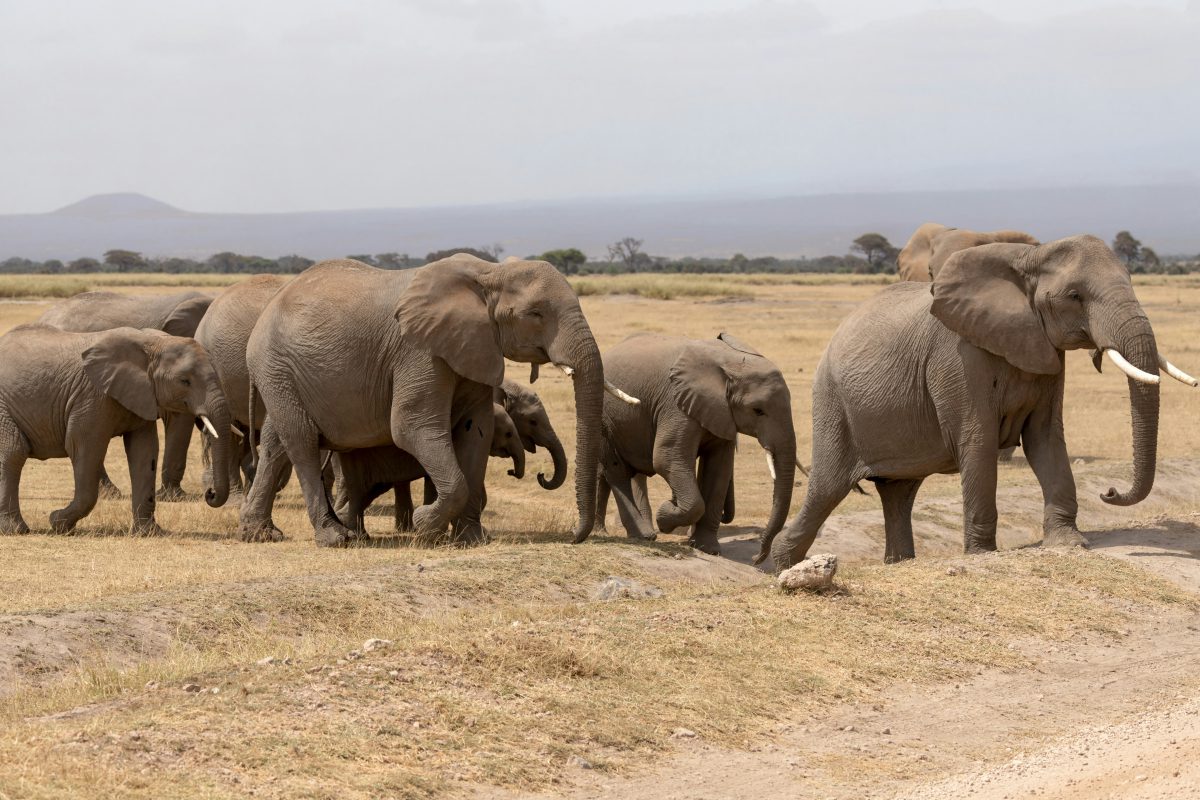
    Best locations: Amboseli (Kenya), Chobe (Botswana), Tarangire (Tanzania). Note: Amboseli offers the best Kilimanjaro backdrop with elephants.

    Rhino

    Best locations: Ngorongoro Crater, Ol Pejeta Conservancy (Kenya), Lewa Wildlife Conservancy. Note: Both black and white rhinos are critically endangered. Seeing one is very special.

    Buffalo

    Best locations: Maasai Mara, Serengeti, Kruger (South Africa). Note: Often seen in massive herds of thousands during the Migration.

  • African Honeymoon: The Complete Planning Guide

    African Honeymoon: The Complete Planning Guide

    Africa offers some of the world’s most romantic honeymoon experiences — from intimate bush camps to overwater villas. Here’s how to plan your perfect African honeymoon.

    Classic Safari + Beach Combination

    The ultimate African honeymoon pairs a luxury safari with a tropical beach escape.

    • Day 1–7: Maasai Mara or Serengeti luxury lodge
    • Day 8–14: Zanzibar or Seychelles beachfront resort

    Top Romantic Safari Lodges

    • Angama Mara (Kenya) — suspended above the Great Rift Valley
    • Singita Grumeti (Tanzania) — ultimate luxury in the Serengeti
    • &Beyond Bateleur Camp (Kenya) — retro 1920s explorer camp

    Honeymoon Extras

    Bush dinners under the stars, hot air balloon safaris, couples’ spa treatments, private guided walks, and champagne sundowners make your honeymoon truly memorable.

    Budget Guide

    Budget $500–$1,000/day per couple for a mid-range safari-beach honeymoon. Luxury options start from $1,500/day per couple.